Are you picturing a porch swing on a tree‑lined street, or a sun‑filled great room with mountain‑modern lines? In Carbondale, both options are on the table, and each offers real benefits. You want a home that fits your lifestyle, your maintenance comfort, and your long‑term goals. In this guide, you’ll compare historic downtown charm with newer builds so you can choose with confidence. Let’s dive in.
Carbondale market context
Carbondale sits in the Roaring Fork Valley with easy access to Aspen and Basalt, and that proximity shapes demand. Many buyers split into two camps: those who love historic downtown character and walkability, and those who want turnkey, low‑maintenance living with modern systems. Both choices can perform well when matched to the right priorities.
The mountain climate matters too. Cold winters, snow loads, strong UV, and freeze–thaw cycles influence roof design, drainage, and material durability. Flood and wildfire risk can vary by location, so you should review maps and local guidance during due diligence.
Historic home appeal
Architecture and location
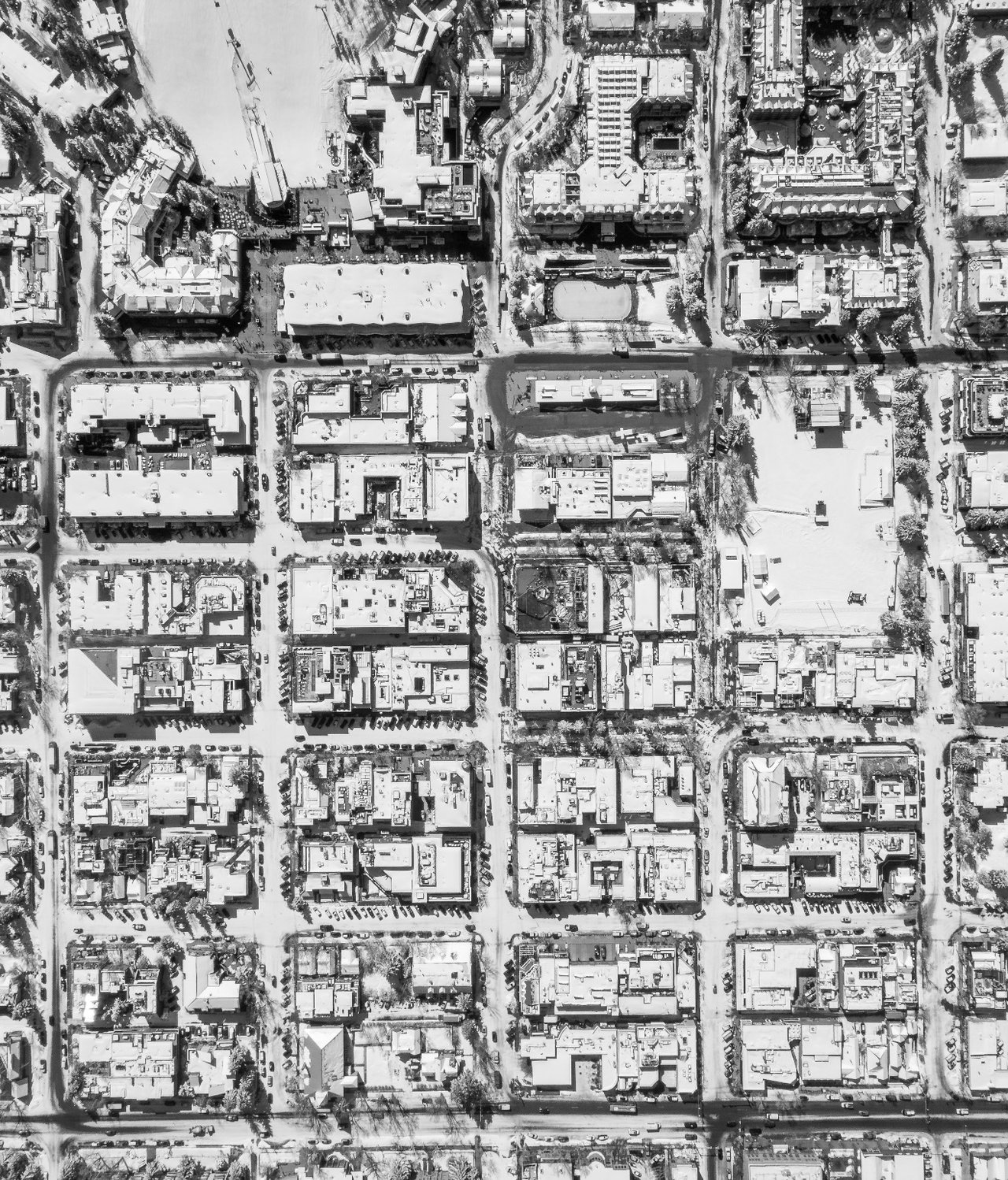
Historic downtown Carbondale neighborhoods feature late‑19th and early‑20th century cottages and Victorian or Craftsman elements. You will often find wood siding, front porches, and original millwork on smaller lots with close‑in walkability. Floor plans may be irregular and ceiling heights can vary, which adds character but can affect furniture planning.
Lot sizes and setbacks in these areas can limit the size of additions. If there is a local historic district or design review, exterior changes and materials may face extra steps and timelines.
Renovation reality
Older homes often need upgrades to insulation, windows, roofs, and foundations. Mechanical systems may include older wiring or undersized electrical panels, aging plumbing, and furnaces or boilers near end of life. Lead paint or asbestos can be present in some materials and should be tested if you plan to disturb them.
Hidden issues are common once you open walls. Plan for a contingency budget. Many contractors recommend 10 to 20 percent as a baseline, and older homes sometimes require more.
Energy upgrades that work
Historic homes often start with less efficient envelopes, but targeted retrofits can make a big difference. High‑impact steps include:
- Air sealing at gaps and penetrations
- Attic insulation with proper ventilation
- Storm windows or high‑quality restoration of original windows
- Basement or crawlspace insulation and sealing
- High‑efficiency boilers, furnaces, or cold‑climate heat pumps
- Heat recovery ventilation to maintain indoor air quality
- Heat pump water heaters or on‑demand water heating
You can also explore solar, but check any design review or historic guidelines first.
New build advantages
Design and comfort
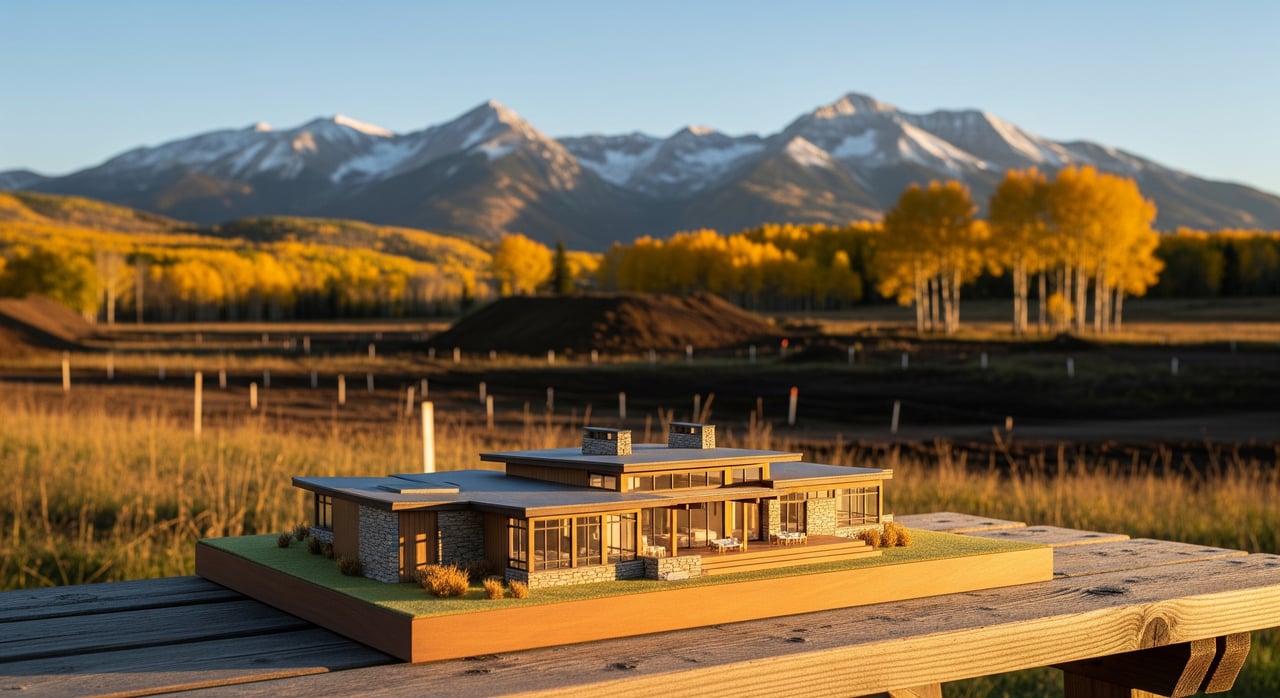
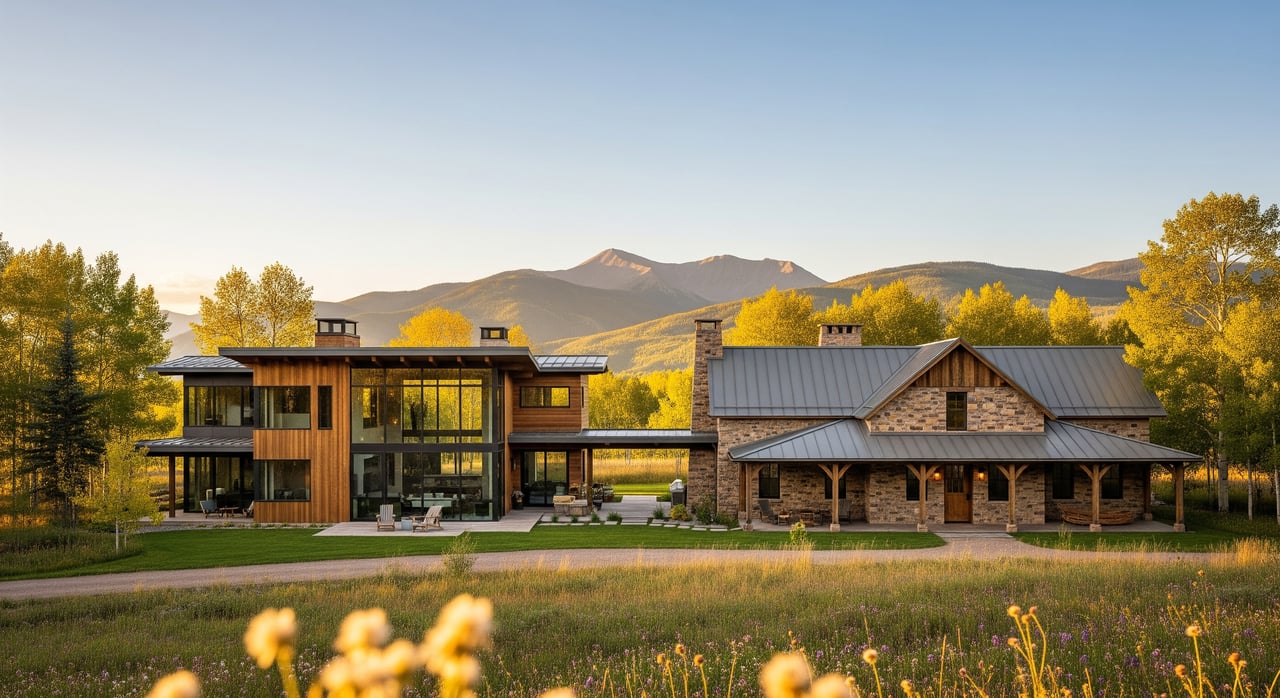
Newer Carbondale homes commonly feature open floor plans, larger windows to capture views, and higher ceilings. Materials like metal roofs and composite siding are common. Many new builds sit on larger lots at the edge of town or on infill sites that allow a modern layout.
Maintenance and warranties
Modern construction typically includes newer roofs, high‑performance windows, better insulation, and updated mechanical systems under warranty. That reduces short‑term maintenance and repair risk. Landscaping, decks, and finishes still need care, but you are less likely to face major system replacements in the near term.
Energy performance out of the box
New builds are usually tighter and more efficient from day one. You can expect higher insulation levels, better windows and doors, and integrated heat pump systems. Many are designed with EV charging, smart controls, solar‑ready wiring, and the ability to meet advanced energy codes.
Cost and risk factors
Renovation cost drivers
If you modernize a historic home, costs are often driven by structural work, foundation stabilization, full mechanical replacements, and electrical service upgrades. Window restoration can cost more than replacement but may preserve value and character. Large additions or major floor plan changes can trigger code upgrades throughout the home.
Insurance and operating costs
Insuring an older home can be more expensive, especially if it has older wiring, wood siding, or an aging roof. Operating costs can also be higher until energy upgrades are completed. Newer homes tend to have lower utility bills when built to current standards.
Financing options
Most buyers use conventional mortgages for both property types. If you plan significant work on a historic home, you can look into renovation loans such as Fannie Mae Homestyle or FHA 203(k). Some programs allow energy upgrades to be financed or incentivized, and availability varies by locality.
Site and rules to check
Zoning and historic review
Before you renovate or add to a home, confirm zoning, lot coverage, and setback limits with local planning staff. If the property sits in a historic district or near one, expect design review for exterior changes, materials, and additions. This can affect timing and costs, especially for features like large new windows or solar panels.
Flood and wildfire
If a property is near the Roaring Fork River or a tributary, assess flood considerations and insurance needs. Properties near open space may have increased wildfire exposure. Incorporate this into your inspection and planning timeline.
Utilities and incentives
Confirm whether the home is on municipal water and sewer or if there is a septic system. The region’s primary electric cooperative offers energy‑efficiency and electrification rebates in many cases, so you should check current programs during planning. State and federal incentives for clean energy and electrification may also apply, though eligibility changes over time.
Which buyer are you?
Scenario A: Downtown character buyer
You value a front porch, walkability, and original details. You are comfortable with staged renovations and ongoing care. You are willing to budget for hidden issues and invest in targeted energy upgrades that preserve character. Your upside is daily lifestyle convenience and potential resale appeal for well‑preserved historic homes.
Scenario B: Turnkey modern buyer
You prefer a move‑in ready home with modern performance and lower maintenance. You are comfortable paying a premium for a newer build with efficient systems and flexible floor plans. Your upside is predictable operating costs and a smoother ownership experience in the near term.
Smart next steps
- Ask for several years of utility bills and consider a pre‑purchase energy audit.
- Order a general home inspection plus specialists as needed: structural engineer, roof and chimney, electrical and plumbing, sewer or septic scope, and lead or asbestos testing for older homes.
- Review permit history and past remodel records to see what was updated and when.
- Confirm zoning, lot coverage, and any historic district rules before planning additions.
- Evaluate flood and wildfire risk, and confirm insurance requirements.
- Get two to three contractor bids for known scopes, from firms experienced with older homes or mountain‑climate construction.
- If renovating, discuss financing options early to align scope, timeline, and lender requirements.
Choosing between historic charm and a new build in Carbondale comes down to your tolerance for projects, your energy goals, and your day‑to‑day lifestyle. If you want help weighing tradeoffs, reviewing likely costs, and matching neighborhoods to your priorities, we are here to guide you. Reach out to Duncan Clauss Real Estate for a personalized plan.
FAQs
What are common issues in older Carbondale homes?
- Expect limited insulation, aging roofs and flashings, older electrical or plumbing, and potential lead or asbestos in some materials. Budget for hidden repairs once walls open.
How efficient are new builds compared to historic homes?
- New builds usually have tighter envelopes, better insulation, and efficient HVAC, which lowers energy use. Historic homes can improve a lot with air sealing, attic insulation, and modern mechanicals.
What inspections should I order before buying a historic home?
- Start with a general inspection, then add structural, roof, chimney, electrical, plumbing, sewer or septic, and lead or asbestos testing based on the home’s age and condition.
Can I add large windows or solar to a historic home?
- It depends on zoning and any design review or historic rules. Check requirements early since exterior changes can add time and cost.
How should I budget for a historic renovation?
- In addition to bids for known work, include a contingency of at least 10 to 20 percent for unknowns. Older homes sometimes need a higher contingency.