Chasing the right Aspen address for your restaurant can feel like a high-stakes puzzle. Inventory is tight, foot traffic surges with the seasons, and buildouts can be complex in mountain buildings. You want a site that supports your concept, fits your budget, and clears permits without surprises. This guide breaks down the real estate factors that matter most in Aspen so you can choose with confidence and open smoothly. Let’s dive in.
Aspen market at a glance
Aspen is a high-price, limited-inventory resort market. You will compete for space with brands targeting affluent visitors, second-home owners, and a smaller year-round local base. Prime locations in the downtown core and near ski access points are scarce and move quickly.
Visitor traffic centers around downtown lodging, retail streets, and the base of Aspen Mountain. Proximity to hotels, parking structures, and shuttle stops can materially boost guest counts, especially during peak seasons. Plan for constrained downtown parking and tight loading access.
Seasonality and demand patterns
Aspen sees year-round visitors, but revenue is seasonal. Expect busy winter months from late November through March and strong summer demand from June through August. Shoulder seasons can vary each year, so build a cash-flow plan that bridges those months.
High-profile cultural and ski-related events create short-term spikes. Check the Aspen Chamber’s event information and the Aspen Skiing Company site when planning staffing, inventory, and special menus. You will want systems that flex for both high volume and slower shoulder periods.
Best location types in Aspen
Choosing the right micro-location is often the biggest driver of top-line performance. Match your concept to the trade area and visibility level you need.
Downtown core corners
- Highest foot traffic and tourist visibility.
- Premium rents and strong exposure for fine dining or high-margin concepts.
- Strong evening trade from hotels and retail.
Pedestrian corridors storefronts
- Reliable walk-in traffic along main streets.
- Back-of-house may be tight in historic buildings.
- Good for cafés, casual dining, and bars.
Hotel-adjacent or in-hotel
- Built-in guest flow and concierge referrals.
- Often includes brand standards, higher service expectations, and revenue-share terms.
- Great for breakfast-to-late-night coverage if lease rules allow.
Gondola and ski-access nodes
- Powerful winter peaks and vibrant apres-ski trade.
- Seasonal swings can be pronounced in shoulder months.
- Plan for outdoor gear storage and quick-service layouts.
Destination or tucked-away spaces
- Lower rent and less casual foot traffic.
- Can become a “hidden gem” with strong marketing and private events.
- Wayfinding, signage, and accessibility are make-or-break.
Turnkey vs raw shell
- Turnkey former restaurant spaces can save months and major capital if hood, grease interceptor, gas, and exhaust are in place.
- Raw shells offer flexibility but often require large mechanical investments and longer timelines.
Permits, licensing, and sequencing
Aspen’s approvals are thorough. Start conversations early and sequence your timeline around regulatory checkpoints.
Core approvals and inspections
- Building and planning approvals, permits, and Certificate of Occupancy come through the City of Aspen Building and Planning.
- Retail food licenses and health inspections are managed by Pitkin County Public Health.
- Fire life-safety, occupancy, and hood suppression requirements are reviewed by the fire authority and city fire marshal.
Liquor licensing
- You will need state and local approval. Review license types and process through the Colorado Department of Revenue Liquor Enforcement Division and confirm local steps with the City Clerk.
- Timelines vary by concept and location. Build in cushion for hearings or community review.
Outdoor seating and noise
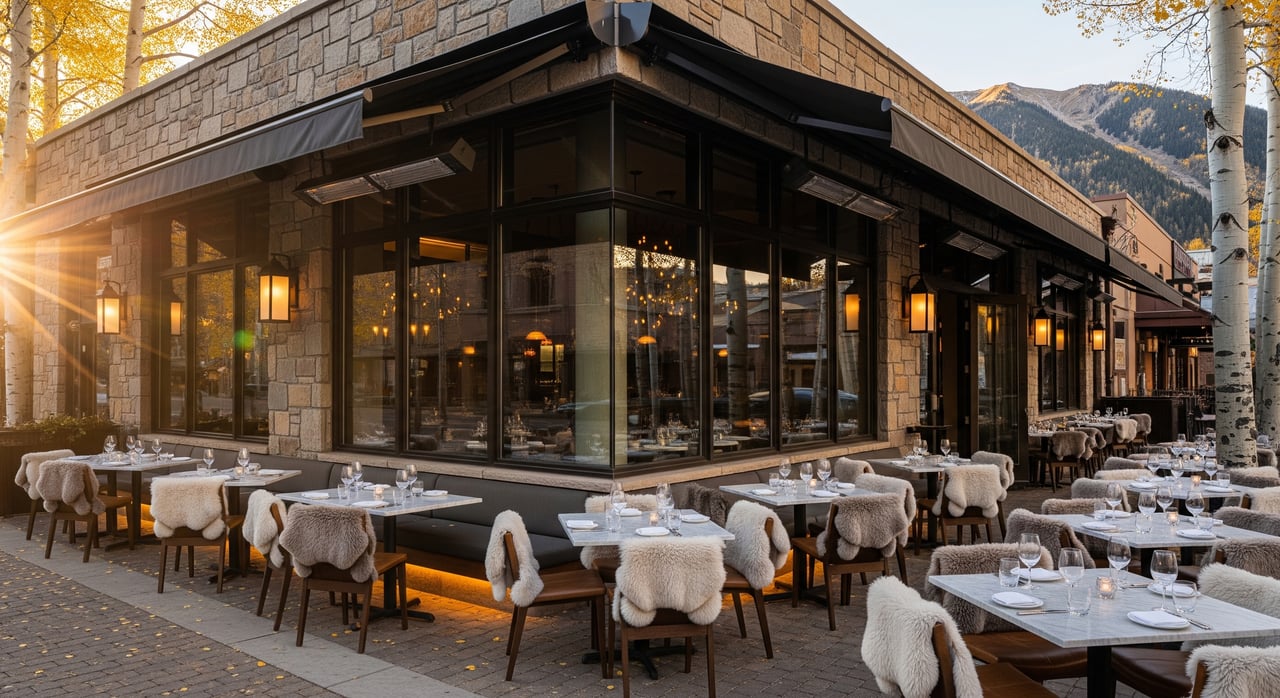
- Sidewalk cafés and outdoor seating require separate permits and can carry seasonal rules, hour limits, and snow-management considerations.
- Expect reviews around amplified music and late-night operations. Plan mitigation, such as soundproofing or directional speakers, if you need extended hours.
Timing and strategy
- Simple tenant improvements can take weeks. Kitchen ventilation, structural changes, and sprinkler work can add months.
- Contact agencies early with a site-specific plan to flag issues before you sign a lease or close on a purchase.
Lease vs purchase in Aspen
Most new operators lease due to limited sales inventory and high purchase prices. If you are capitalized and want long-term control, a purchase can make sense, but weigh carrying costs and the thin pool of available properties.
Leasing advantages
- Lower upfront capital and more operational flexibility.
- Easier to test and evolve your concept.
- Negotiate tenant improvement dollars and construction responsibilities to reduce cash strain.
Key lease terms to scrutinize
- Rent structure and pass-throughs: Clarify triple-net, modified gross, or full-service. Understand CAM, property tax, insurance, and snow removal charges.
- Tenant improvements: Define the allowance, milestones, landlord work vs tenant work, and who holds permits.
- Percentage rent: If applicable, define breakpoints, gross sales definitions, and audit rights.
- Exclusivity and use: Protect your concept and confirm permitted uses, hours, and live-music rules.
- Assignment and subletting: Keep a workable path for a sale or operational pivot.
- Renewal options: Longer initial terms can match larger TI. Secure options with known escalations.
- Surrender obligations: Clarify restoration requirements. Hood and grease systems are costly to remove or modify.
Purchase considerations
- Check property tax history with the Pitkin County Assessor, title, easements, historic covenants, and utility capacity.
- Budget for kitchen ventilation and structural reinforcements if converting non-restaurant space.
Infrastructure and buildout realities
Mechanical systems drive both timeline and budget in Aspen. Confirm capacity early and validate that needed changes are feasible in the building.
Kitchen ventilation and suppression
- Most commercial kitchens require code-compliant exhaust hoods, make-up air, and fire suppression.
- Verify a practical route for ducting and that the roof can support equipment. Expect fire marshal reviews and third-party inspections.
Gas, electrical, and HVAC
- High-volume kitchens need substantial gas and electric service. Confirm meter sizes, panel capacity, and possible utility upgrades.
- Restaurants need tight control of heating, cooling, and ventilation at the same time. Check equipment age and performance.
Grease and wastewater
- Grease interceptors are required for most kitchens. Confirm size, location, and maintenance access.
- Make sure the sewer tie-in meets local discharge rules.
Waste, sustainability, and snow
- Aspen emphasizes waste diversion. Plan for trash, recycling, and food-waste programs in line with local rules.
- Snow and ice management affects loading, outdoor seating, and guest access. Confirm who handles snow removal at the property line.
Deliveries and logistics
- Downtown streets are narrow with limited loading zones. Expect delivery windows and plan off-peak schedules.
- Map refuse staging, loading access, and any building dock rules before you sign.
Costs and schedules
- Hood, ventilation, and utility upgrades are often the biggest hidden costs and the longest path on the schedule.
- Turnkey spaces can open in months. Raw shells with major mechanical work can take several months to a year, depending on scope, permitting, and contractor availability.
Staffing and housing considerations
Labor is a strategic variable in Aspen. Housing is tight and expensive, which affects recruiting and retention. Some employers offer stipends, transportation options, or partner with local programs.
Factor higher labor costs into your pro forma and consider how your schedule aligns with public transit and shuttle access near your site.
Due diligence checklist for site selection
Lock in documents and on-site validations before you finalize terms. Ask for and review:
- As-builts: architectural, mechanical, and electrical drawings.
- Existing Certificate of Occupancy and any open code violations.
- Hood and suppression drawings, inspection records, and vendor contacts.
- Grease interceptor location, size, and maintenance history.
- Utility bills and meter sizes for electric, gas, and water.
- Lease abstract or proposed form, plus any license history.
- Parking agreements, loading zone permits, and snow removal obligations.
- Historic or design-review restrictions that affect signage or facades.
On site, confirm:
- A feasible exhaust route and rooftop termination.
- Back-of-house square footage for cookline, dish, dry storage, and walk-ins.
- Basement or adjacent space options for prep or refrigeration.
- Delivery and waste access, plus refuse staging locations.
- Noise exposure and the realistic potential for outdoor seating.
Early checks with authorities:
- Zoning and permitted uses with the City of Aspen Building and Planning.
- Food-service requirements with Pitkin County Public Health.
- Liquor license path with the Colorado Department of Revenue Liquor Enforcement Division and the City Clerk.
Financial modeling for seasonality
Build a conservative P&L that captures:
- Peak winter and summer revenue targets, with staffing and COGS tied to event spikes.
- Shoulder-season plans like private dining, local specials, or events to stabilize cash flow.
- Labor premiums, potential housing stipends, and transportation solutions.
- Insurance costs across general liability, liquor liability, workers’ comp, property, and business interruption.
- Percentage rent scenarios if your lease includes turnover rent.
How to assemble your Aspen team
Operators who win early assemble a local team and move fast through feasibility.
- Broker: Choose one with proven Aspen hospitality experience and strong relationships with landlords and municipal staff.
- Architect and MEP engineer: Look for mountain-building experience with kitchen ventilation.
- Contractor: Prefer a local GC who knows seasonal capacity and inspection rhythms.
- Liquor specialist: Consider a consultant if you need speed and clarity on license type and hearings.
- Attorney: Use a commercial real estate attorney familiar with Aspen leases and land-use rules.
A path to opening with fewer surprises
Here is a simple action plan you can follow:
- Engage a local commercial broker early to target the right micro-locations and negotiate TI and rent structures that fit your model.
- Run a feasibility sketch with your architect and MEP. Validate hood, exhaust routing, grease, and utility capacity before you commit.
- Contact the city, county health, and fire officials with a site-specific plan. Use their feedback to refine your scope and timeline.
- Request full landlord documentation and inspection histories as part of LOI. Lock down responsibilities for construction and permitting in the lease.
- Model best-case peak seasons and conservative shoulder seasons. Set cash reserves for mechanical surprises and staffing costs.
When you are ready to explore locations, consider working with a team that blends local operator insight with luxury brokerage reach. With deep Aspen roots and hands-on hospitality experience, we can help you map foot traffic, underwrite buildout, and navigate approvals while negotiating the right deal for your concept. Reach out to schedule a focused site strategy session with Duncan Clauss Real Estate.
FAQs
Is it better to lease or buy a restaurant space in Aspen?
- Most new operators lease due to limited inventory for purchase and high prices, while established groups sometimes buy for control if capital allows.
How long do permits and buildout usually take in Aspen?
- Turnkey spaces can open in months, while ventilation, roof work, and sprinkler upgrades can extend timelines to several months or up to a year depending on scope and reviews.
Which Aspen locations see the most foot traffic for restaurants?
- Downtown core corners, main pedestrian corridors, hotel-adjacent sites, and the Aspen Mountain base area draw the strongest visitor flows.
How important is proximity to hotels and ski access?
- Very important, since hotel guests and skiers drive high-spend traffic in both winter and summer, with strong apres-ski demand in winter.
What are the biggest hidden costs when opening in Aspen?
- Mechanical upgrades for hoods and ventilation, grease interceptor installation, utility service increases, snow management logistics, labor and housing support, and higher insurance premiums.