If you picture a Snowmass getaway paying its way when you are not using it, you are not alone. Many buyers are drawn to the idea of a ski retreat that supports both personal enjoyment and short-term rental income, but in Snowmass Village, the details matter as much as the view. If you understand the local permit rules, HOA limits, and guest expectations before you buy, you can make a smarter decision with fewer surprises. Let’s dive in.
Why rental-friendly means more than location
In Snowmass Village, a property’s rental potential depends on three moving parts at once: Town rules, HOA or condo-association rules, and the experience your guests will actually have on the ground. A beautiful residence near the mountain can still be a poor fit for rentals if the ownership structure, building rules, or operations do not line up.
That is why the most successful purchases usually start with use rights and logistics, not finishes alone. Ski access, parking, storage, and local management all shape whether a retreat works well for you and for guests.
How Snowmass Village defines short-term rentals
The Town of Snowmass Village defines a short-term rental as any dwelling unit or room rented for fewer than 30 consecutive days. Before a unit can be advertised for rent, the Town requires both a business license and a short-term rental permit.
The Town uses four permit categories:
- Hotels
- Multi-family A
- Multi-family B
- Single-family homes and duplexes
For buyers, that means you should confirm early which category a property falls into. The permit path, management setup, and operating requirements can look very different depending on the building type.
What buyers should know about permit rules
One helpful detail is that the Town says there are currently no location limits on where a short-term rental can be located within Snowmass Village. Still, that does not mean every property is automatically rental-friendly.
HOA rules can be stricter than the Town’s rules, and the more restrictive standard applies. In practice, that is often where buyers run into limitations, especially in condo and lodge-style properties.
The Town also ties maximum occupancy to the number of legal bedrooms. Children age five and under do not count toward that bedroom-based occupancy limit, which can matter if you expect family bookings.
If you are looking at a single-family home or duplex, there is another key rule to know: these properties have a four-night minimum stay. That requirement can affect how you plan owner use, guest turnover, and income expectations.
Why HOA review is essential
In Snowmass Village, the real question is often not whether short-term rentals are allowed by the Town. It is whether the HOA, condo association, or building rental program allows them under the terms you want.
The Town’s guidance says owners in HOA-governed properties need to verify that short-term rental use is allowed, confirm any rental-night caps or other restrictions, and follow the stricter rule set. The Town’s signed short-term rental affidavit also requires owners to confirm HOA approval.
That makes document review a critical part of your due diligence. Before closing, you will want a clear answer on rental permission, any occupancy or night limits, and whether the building requires participation in a centralized management or rental program.
How building type affects your options
Snowmass Village separates many condo-style properties into Multi-family A and Multi-family B categories, and that distinction matters.
Multi-family A properties
Multi-family A generally refers to larger developments with centralized check-in, property management, and rental-management programs. The Town gives examples such as Crestwood, Timberline, and Viceroy.
In these properties, the rental process is usually more structured. That can simplify operations, but it may also mean less flexibility in how you manage the unit.
Multi-family B properties
Multi-family B includes properties that do not participate in that centralized rental program. The Town lists examples such as Seasons Four and Woodbridge.
For some buyers, this setup may offer more control over operations. Even so, you still need to understand the building’s own rules, the Town permit requirements, and who will handle compliance.
Single-family homes and duplexes
For single-family homes and duplexes, the permit structure is more straightforward. The owner needs one business license and one short-term rental permit per property, although a property-management company with a current Town business license can satisfy this requirement for a managed property.
If you plan to hold title in an LLC, corporation, partnership, or trust, the Town requires a notarized Statement of Authority. That is an important detail for buyers using an entity for ownership.
The operational side of owning a retreat
A rental-friendly ski home is not just a purchase. It is an operating business with local rules, guest expectations, and recurring deadlines.
Permit holders must include the permit number on advertising, keep the Good Neighbor Guidelines in rental agreements and posted prominently in the unit, maintain appropriate insurance, and appoint a designated local owner representative available 24/7/365 who can respond within 60 minutes.
That local-response rule is one of the biggest practical issues for second-home owners. If you do not live nearby, you need a reliable plan in place before you start renting.
The Town can also inspect a home or unit with 24-hour notice unless there is a life-safety issue. And because permits are non-transferable, you should never assume a current short-term rental permit will stay in place after a sale.
Taxes and compliance to plan for
Short-term rental ownership in Snowmass Village also comes with monthly tax administration. The Town says sales and lodging tax filings are due monthly, no later than the 20th of the following month.
Even if there was no rental activity, owners must still file a zero-tax return. The Town also states that Airbnb and VRBO no longer remit sales tax on behalf of hosts, so owners must report occupied nights and remit directly.
For buyers comparing self-management to professional management, this is where the workload becomes very real. Compliance sits with the permit holder, not the booking platform.
What guests expect in Snowmass
In a resort market like Snowmass Village, guest appeal often comes down to ease. Official Aspen Snowmass lodging materials consistently highlight ski-in/ski-out or slopeside access, shuttle service, ski storage, and walkability to Base Village, lifts, shops, and dining.
That means convenience is not just a nice bonus. It is central to the lodging product in this market.
Properties near the Elk Camp Gondola, Assay Hill, the Village Express lift, and Fanny Hill fit naturally into that guest mindset. Buyers looking for strong rental usability should think carefully about how easy the stay feels from arrival to first chair.
Amenities that support owner use and rentals
Official Snowmass lodging pages repeatedly feature the same amenities. These are the details that shape guest comfort and can also make your own stays more enjoyable.
Commonly highlighted features include:
- Full kitchens
- Living rooms
- Fireplaces
- Decks or balconies
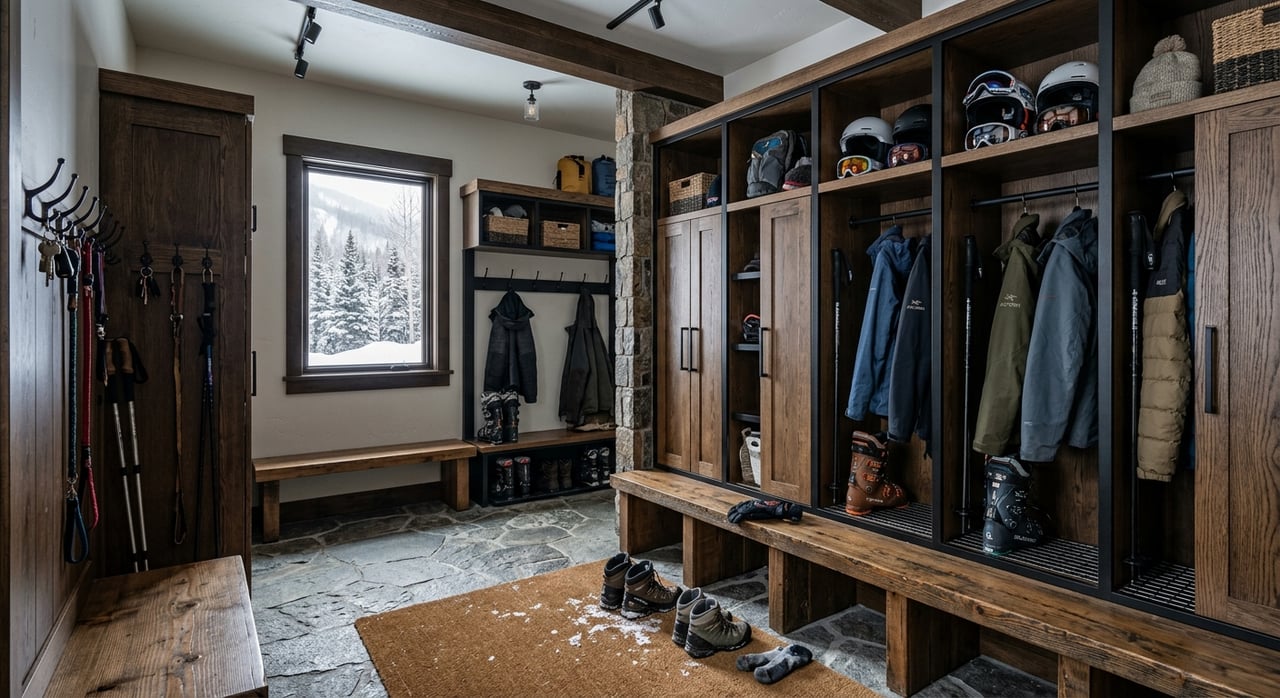
- Ski storage lockers
- Ski boot storage with warmers
- Laundry
- Wi-Fi
- Pools or hot tubs
- Shuttle service
In other words, layout often matters as much as square footage. A well-designed residence with practical storage, comfortable gathering space, and strong mountain access may serve both owner use and rentals better than a larger home with awkward logistics.
Why car-light access matters
Snowmass Village is set up in a way that supports a car-light stay, and that is part of its appeal. The resort describes three pedestrian-friendly hubs organized around the mountain, with shops, equipment rentals, cafés, and dining close at hand.
Snowmass Base Village also includes features like an outdoor ice rink with free skate rentals and outdoor fireplaces. Ski and snowboard rentals, tuning, and accessories are also available in the base area.
For owners, that kind of built-in convenience can support repeat guest demand and simpler stays. For your own weekends, it can also mean less planning and less time spent driving.
Parking is a bigger factor than many buyers expect
Parking deserves careful review before you buy. In winter, the Town says the numbered Village lots are paid permit parking only from 7 a.m. to 1 p.m. during the ski season.
Guest permits can be issued through the owner or property manager, and free park-and-ride or shuttle options are available for day visitors. Still, parking logistics can affect the guest experience, especially during peak periods.
If a property has limited parking rights or a confusing access setup, that can create friction for both owners and renters. It is worth confirming exactly what is included and how guests will be instructed to use it.
Self-manage or hire a property manager?
The right answer depends on how hands-on you want to be. If you self-manage, you need to be ready for permit compliance, monthly tax filings, guest communication, parking coordination, and after-hours issues.
You also need a local owner representative who can respond within 60 minutes, at any time, year-round. For many second-home owners, that requirement alone makes professional management the more practical route.
The Town’s guidance clearly contemplates property-management-company involvement for both single-family and condo-style short-term rentals. If you want a lower-friction ownership experience, management structure should be part of your buying decision from day one.
A practical pre-closing checklist
Before you close on a Snowmass Village retreat with rental plans in mind, confirm the following:
- The property’s short-term rental permit category
- Whether the HOA or condo association allows short-term rentals
- Any rental-night caps, use limits, or management requirements
- Whether the current ownership structure fits your plans
- Whether an entity purchase will require a notarized Statement of Authority
- Parking rights and guest parking procedures
- Insurance requirements
- Your local owner representative plan
- Your monthly tax filing and remittance workflow
- Whether you will self-manage or hire a manager
This kind of review helps you buy with a clear picture of both opportunity and responsibility. In Snowmass Village, rental-friendliness is created by alignment between the property, the rules, and the operating plan.
The best Snowmass retreat is usable
A strong Snowmass purchase is about more than finding a beautiful mountain property. It is about finding a retreat that feels easy to own, easy to enjoy, and realistic to operate under local rules.
When ski access, HOA approval, parking, storage, and management all line up, the result is a property that works better for everyone. You get a more seamless ownership experience, and your guests get the kind of stay they come to Snowmass for in the first place.
If you are weighing a condo, duplex, or single-family home in Snowmass Village, local guidance can make the difference between a good-looking option and a truly workable one. For tailored insight on lifestyle fit, property positioning, and the details that shape real usability, connect with Duncan Clauss Real Estate.
FAQs
What qualifies as a short-term rental in Snowmass Village?
- In Snowmass Village, a short-term rental is any dwelling unit or room rented for fewer than 30 consecutive days.
Do you need a permit to rent out a home in Snowmass Village?
- Yes. The Town requires a business license and a short-term rental permit before a unit can be advertised for rent.
Can an HOA restrict short-term rentals in Snowmass Village?
- Yes. HOA or condo-association rules can be more restrictive than Town rules, and owners must follow the stricter standard.
Are short-term rental permits transferable after a Snowmass Village sale?
- No. The Town says short-term rental permits are non-transferable, so buyers should not assume an existing permit survives a sale or ownership change.
What is the minimum stay for a single-family short-term rental in Snowmass Village?
- Single-family homes and duplexes in Snowmass Village have a four-night minimum stay.
What should buyers verify before purchasing a rental-friendly Snowmass retreat?
- Buyers should confirm Town permit eligibility, HOA approval, parking rights, insurance needs, local-contact arrangements, and the process for monthly tax filing and remittance.