If you are picturing Old Snowmass as a classic small town with a busy main street, you may be surprised by what you find. Life here is shaped less by storefronts and more by open land, river corridors, trail access, and the rhythm of the seasons. If you are wondering what it actually feels like to live in Old Snowmass day to day, this guide will give you a practical, local-grounded picture. Let’s dive in.
Old Snowmass Feels Like a Landscape
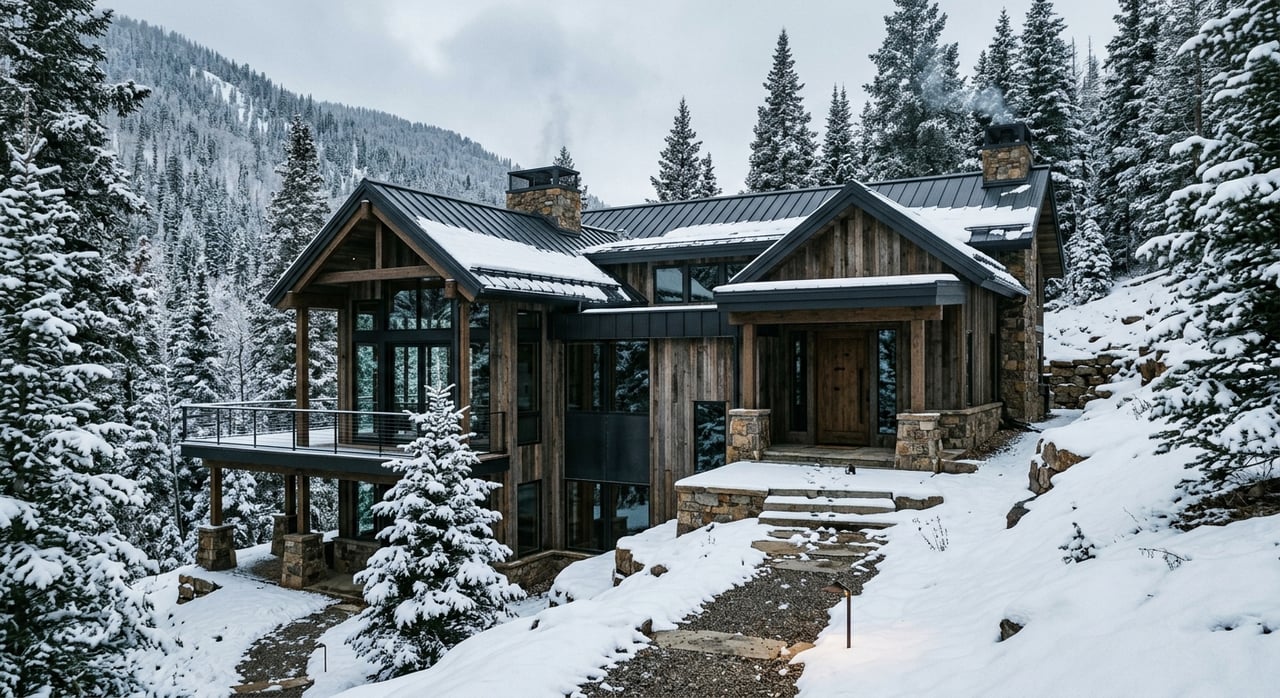
Old Snowmass is best understood as a landscape community, not a compact town center. Pitkin County identifies it as one of the county’s unincorporated communities, and the setting reflects that structure.
In daily life, that means your surroundings often take the lead. Open space, ranchland, river access, and mountain views are part of the experience, while errands, dining, and many services are typically tied to nearby hubs like Aspen, Snowmass Village, and Basalt.
For many buyers, that is the appeal. Old Snowmass offers a more private, low-density way of living that still connects you to the larger Roaring Fork Valley.
Daily Life Centers on the Outdoors
Outdoor access is not just a weekend bonus here. It is woven into how the area functions across the year.
Pitkin County Open Space and Trails manages nearly 30,000 acres and 86 miles of trails with a mission that balances recreation, agriculture, wildlife protection, scenic value, and access. That mix helps explain why Old Snowmass feels grounded in the land rather than built around dense commercial activity.
Near Old Snowmass, places like Lazy Glen, Wheatley, and Deer Creek show what that balance looks like on the ground. These open spaces combine agricultural use, river frontage, trail connections, habitat protection, and quiet recreation in a way that gives the area its distinct rural valley character.
What that means for your routine
A normal day in Old Snowmass can include simple outdoor touchpoints that feel built into local life, such as:
- Walking or biking near the Rio Grande Trail
- Spending time near the Roaring Fork River
- Using open space areas with primitive hiking access
- Adjusting plans around trail conditions or wildlife closures
- Treating the landscape as part of your schedule, not just the backdrop
That is a different rhythm from a walkable urban core. Here, the payoff is space, scenery, and a stronger connection to the land.
Trails and River Access Matter
Several nearby open space areas help define how people experience Old Snowmass.
Lazy Glen Open Space
Lazy Glen Open Space includes small-scale farming, heritage fruit trees, river access, a pedestrian and bike bridge to the Rio Grande Trail, and primitive hiking access to Bionaz Gulch. It reflects the area’s blend of working land and recreation.
Wheatley Open Space
Wheatley Open Space includes Roaring Fork River frontage, an informal kayak put-in and take-out, a Rio Grande Trail trailhead, and an irrigated agricultural lease area. It is another example of how outdoor use and agricultural character exist side by side.
Deer Creek Open Space
Deer Creek Open Space offers access to the Roaring Fork River for non-commercial angling, along with horse pasture and wildlife habitat protection. In practical terms, that means recreation happens within a broader framework of land stewardship.
Together, these spaces show what life in Old Snowmass really looks like. It is not only scenic. It is active, seasonal, and closely tied to how the county manages land, water, and habitat.
Each Season Changes the Pace
Seasonality is not a small detail in Old Snowmass. It changes how you move through the week, what trails are available, and even when you start your day.
Summer in Old Snowmass
Summer is the most active outdoor season. Regional guidance from Aspen Snowmass notes that Snowmass Bike Park includes 16 purpose-built trails and lift-accessed downhill riding, while the surrounding trail network offers cross-country routes through aspen groves, meadows, and valley terrain.
If you spend time outdoors in summer, early starts matter. High-country weather can change quickly, and afternoon thunderstorms are common in July and August.
Fall in Old Snowmass
Fall tends to feel quieter and more transitional. Aspen Snowmass highlights changing aspens and leaf-peeping as part of the local hiking experience, which helps define autumn as a shoulder season built around foliage, cooler mornings, and continued trail use.
For many people, this is one of the most appealing times of year. The pace softens before winter sets in, and the landscape often becomes the main event.
Winter in Old Snowmass
Winter shifts daily life toward snow-based movement and planning. Pitkin County says the Aspen-Snowmass Nordic Trail System offers more than 60 miles of free cross-country ski and snowshoe trails connecting Aspen, Snowmass Village, and Basalt, with daily grooming during winter.
The Basalt-Old Snowmass Trail is open year-round and groomed for Nordic skiing in winter. The Rio Grande Trail in Pitkin County is also open year-round and groomed for cross-country skiing from Aspen to the county border near Emma.
That gives winter life a clear structure. Instead of simply waiting out the season, many people build routines around Nordic skiing, snowshoeing, and checking conditions before heading out.
Spring in Old Snowmass
Spring is less of a clean switch and more of a reset. Some nearby routes remain closed during shoulder season to protect wintering wildlife and spring calving, including closures tied to Bionaz Gulch, Burnt Mountain, Government Trail, and Janeway and Avalanche access.
That matters if you are thinking about everyday life here. In Old Snowmass, seasonal change is not only about weather. It is also about active land management and respect for habitat.
Getting Around Is Simple, But Not Walkable
Old Snowmass is connected, but it is not built around a dense walkable core. Most people should expect driving or bus use to be part of normal life.
Pitkin County emergency planning notes that Highway 82 is the county’s only major roadway, and Independence Pass closes in winter. That reinforces how road access and weather can shape your routine, especially during colder months.
RFTA’s Old Snowmass Park & Ride connects into a regional transit network serving Aspen, Snowmass Village, Basalt, El Jebel, and Glenwood Springs. That makes Old Snowmass feel rural without feeling cut off.
What that means in practice
If you live in Old Snowmass, you are likely to:
- Drive for many daily errands and appointments
- Use regional bus service when it fits your routine
- Think about weather and road conditions in winter
- Reach Aspen, Snowmass Village, or Basalt for shopping, dining, and services
For the right buyer, this is a strong middle ground. You get more breathing room and privacy, while still staying connected to the valley’s main amenity centers.
Who Tends to Love Old Snowmass
Old Snowmass tends to fit buyers who want space, scenery, and a lifestyle shaped by the outdoors. It can be especially appealing if you value privacy, river and trail access, and a setting that feels more residential and land-based than commercial.
It may be less appealing if your top priority is stepping out your door into a concentrated, walkable center with a high volume of shops and restaurants. The area’s appeal is more about landscape than convenience.
That distinction matters when you are deciding where to focus your search in Pitkin County. Lifestyle fit is often just as important as square footage or finishes.
The Real Appeal of Old Snowmass
What makes Old Snowmass special is not one single feature. It is the way open space, agriculture, trail systems, river access, and seasonal change come together to shape everyday life.
You are close to Aspen-area amenities, but your home base feels calmer and more grounded in the valley itself. The result is a version of Roaring Fork Valley living that feels private, outdoors-first, and connected to place in a very real way.
If you are considering a move in Old Snowmass or anywhere in the Roaring Fork Valley, Duncan Clauss Real Estate can help you evaluate not just the property, but the lifestyle fit behind it.
FAQs
What does daily life in Old Snowmass feel like?
- Daily life in Old Snowmass generally feels rural, low-density, and outdoors-oriented, with routines shaped by open land, nearby trails, river access, weather, and travel to nearby service hubs.
Is Old Snowmass walkable for shopping and dining?
- Old Snowmass is not defined by a dense walkable commercial core, so most shopping, dining, and services are typically accessed in nearby Aspen, Snowmass Village, or Basalt.
How do people get around from Old Snowmass?
- Most daily life involves driving, but the Old Snowmass Park & Ride is part of the regional RFTA network, which connects the area to Aspen, Snowmass Village, Basalt, El Jebel, and Glenwood Springs.
What outdoor access is near Old Snowmass?
- Nearby access includes Lazy Glen, Wheatley, and Deer Creek open spaces, as well as connections to the Rio Grande Trail, river access points, primitive hiking areas, and year-round trail use.
How does winter change life in Old Snowmass?
- Winter shifts routines toward Nordic skiing, snowshoeing, and weather-aware travel, with access to the Aspen-Snowmass Nordic Trail System and groomed routes like the Basalt-Old Snowmass Trail.
Do wildlife closures affect trails near Old Snowmass?
- Yes, some nearby routes can close seasonally to protect wintering wildlife and spring calving, so access can change during late winter and spring depending on local land management rules.