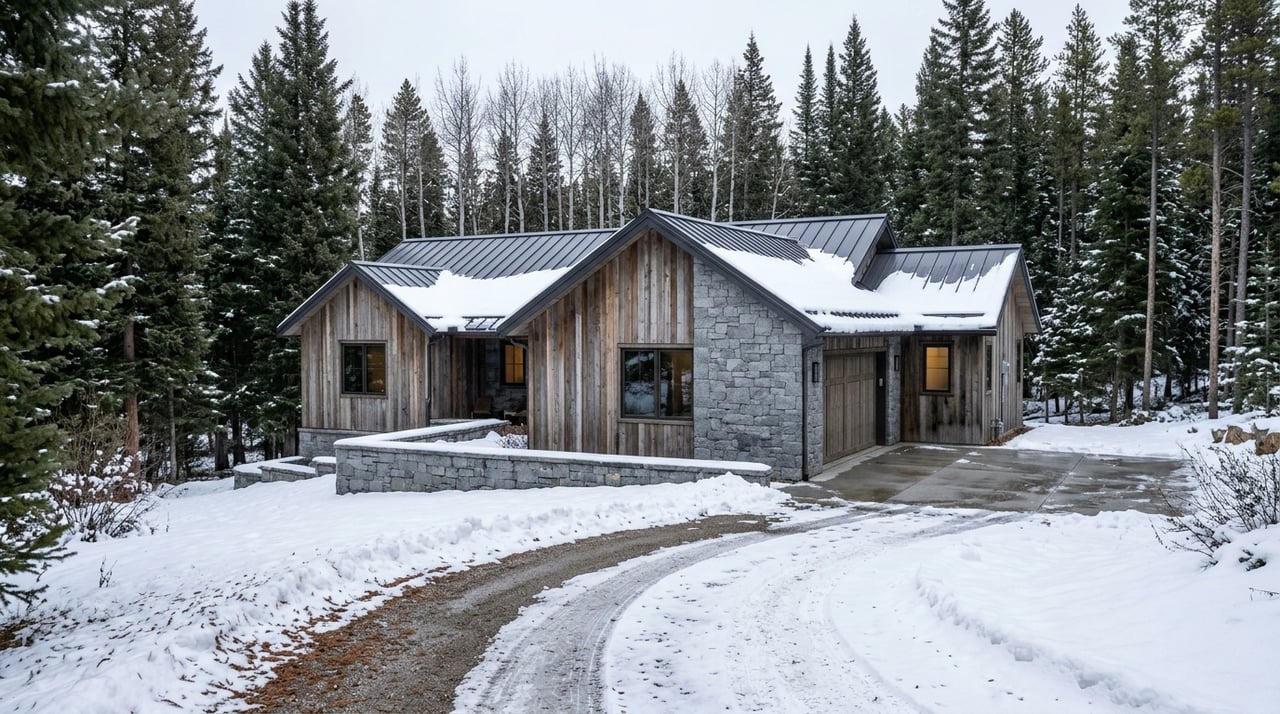
If Aspen feels a little too busy for the way you want to live in the mountains, Woody Creek offers a compelling middle ground. You can stay close to Aspen and Snowmass while enjoying a more rural setting shaped by river access, open space, and trail connections instead of a traditional downtown. If you are weighing privacy, convenience, and day-to-day lifestyle, this guide will help you understand why Woody Creek stands out. Let’s dive in.
Why Woody Creek Feels Different
Woody Creek is not a compact town center in the way many buyers expect. In unincorporated Pitkin County, the area is guided by local planning through the Woody Creek Caucus and county master plan process, which reflects its rural character and neighborhood-based structure.
That planning context matters because it helps explain the daily feel of the area. Instead of concentrated retail streets and a more urban rhythm, Woody Creek is defined by land, river corridors, and open space. The result is a setting that feels quieter, more private, and less commercially active than Aspen.
Pitkin County also highlights the Woody Creek Caucus as part of the local planning structure for the area. For buyers, that is a useful signal that Woody Creek functions more like a rural community ecosystem than a conventional town.
Open Space Shapes Daily Life
One of the biggest reasons Woody Creek feels like a quiet alternative to Aspen is the surrounding landscape. Pitkin County describes the Roaring Fork Gorge as roughly 390 acres of open space, conservation easements, fishing easements, and trail corridor stretching from Aspen to Wilton Jaffee Sr. Park near Woody Creek.
That amount of protected and connected land creates breathing room. It supports a lifestyle where views, trailheads, river access, and a sense of separation from denser activity become part of your normal routine.
For many buyers, this is the core appeal. You are not choosing Woody Creek because it tries to compete with Aspen’s energy. You are choosing it because it offers easier access to space, privacy, and a slower pace while staying tied to the Aspen area.
Outdoor Access Is a Major Advantage
If your ideal mountain lifestyle includes getting outside without a lot of friction, Woody Creek delivers. The area’s trail and river access is one of its strongest lifestyle advantages.
Rio Grande Trail Access
The Rio Grande Trail links Aspen and Glenwood Springs for 42 miles, with 20 miles managed in Pitkin County. It is open year-round and supports walking, running, biking, horseback riding, and cross-country skiing when conditions allow.
That kind of connectivity is unusual for a place that still feels tucked away. The trail also gives you access to public lands, fishing spots, trailheads, and overlooks, which adds to the convenience of daily outdoor use.
Easy Connections Around Woody Creek
According to Aspen area trail information, the regional trail network is nearly seamless between Aspen, Snowmass, Woody Creek, and Basalt. That helps Woody Creek feel connected rather than remote.
At Wilton Jaffee Sr. Park, you have access to the AspenMass Trail, the Rio Grande Trail through the Jaffee Connector Trail, and the Roaring Fork River via a boat ramp and picnic area. For buyers who prioritize movement, scenery, and recreation over commercial walkability, that is a meaningful tradeoff.
River Lifestyle and Fishing Access
The Roaring Fork River is a real part of daily life here, not just a backdrop. Colorado Parks and Wildlife notes that the Roaring Fork upstream of the Fryingpan River offers quality trout fishing and includes many public access points for both shore and float anglers.
CPW also describes the corridor as a pastoral setting that feels miles away from nearby towns. That description captures a lot of what draws people to Woody Creek in the first place. You get close proximity to Aspen, but the landscape often feels more removed and less hectic.
Forest Access Beyond the River
For broader mountain recreation, the White River National Forest Woody Creek Area lists hiking and horseback riding among the area’s recreation opportunities. This adds another layer to the lifestyle equation.
When buyers look at Woody Creek, they are often thinking beyond a single season. Trail use, river access, Nordic opportunities, and nearby forest recreation make the area appealing across much of the year.
Close to Aspen Without Living in Aspen
A big reason Woody Creek works so well is that it is connected to Aspen rather than cut off from it. You can enjoy a more secluded setting without giving up practical access to the amenities, services, and recreation hubs that draw people to the Aspen area.
The trail system is one example of that connection, but it is not the only one. RFTA service to Woody Creek helps link the area with Aspen and Snowmass, with free service from Brush Creek Park & Ride noted in the research.
That balance is what makes Woody Creek especially appealing for buyers who want choice in how they spend their time. You can tap into Aspen when you want restaurants, events, or ski-area access, then return home to a setting that feels more rural and less intense.
Who Woody Creek Often Fits Best
Woody Creek tends to make sense for buyers who care more about setting than a town-center address. If your priorities include privacy, trail access, river proximity, and a lower-key daily rhythm, the area can be a strong fit.
It may also appeal to people who want a base that supports biking, Nordic skiing, fishing, kayaking, hiking, and time outdoors nearby. The area’s value is not about constant activity at your doorstep. It is about having direct access to the landscape with Aspen still within easy reach.
This is also an option worth considering if you are comfortable with the realities of rural mountain property. Woody Creek offers a distinct lifestyle, but it comes with a different set of considerations than living in central Aspen.
Tradeoffs to Understand Before You Buy
The upside of Woody Creek is clear, but it is smart to look at the practical side too. Pitkin County’s rural living guidance is especially relevant for buyers coming from more urban environments.
The county flags issues such as wildfire hazards, drought, variable weather, variable road conditions, and development near rivers or streams. It also notes that natural hazards review may address concerns such as unstable slopes, avalanche areas, and the 100-year floodplain.
These factors do not make Woody Creek less desirable. They simply mean that buying well in a rural mountain setting requires local knowledge, careful due diligence, and a clear understanding of the property’s physical context.
A Different Kind of Convenience
Convenience in Woody Creek looks different from convenience in Aspen. It is less about stepping into a dense commercial core and more about having efficient access to what matters most, including trails, open space, the river, and regional connections.
Pitkin County also notes that unincorporated areas often rely on special districts, and Woody Creek is included among the county’s active special districts. That is another reminder that the area operates as a rural neighborhood system rather than a conventional municipality.
For the right buyer, that is not a drawback. It is part of the appeal. Woody Creek offers a setting where the landscape leads and daily life can feel more grounded, while Aspen remains close enough for work, dining, recreation, or entertainment.
Why Buyers Keep Looking at Woody Creek
When you step back, Woody Creek’s appeal is simple. It gives you access to the Aspen area without requiring you to live in Aspen’s busiest environment.
You get a rural river-and-trail orientation, strong outdoor connectivity, and a more secluded feel shaped by open space and county land-use patterns. For many buyers, that combination creates a lifestyle that feels both elevated and livable.
If you are exploring Woody Creek or comparing it with Aspen, working with a local advisor can help you evaluate not just the home, but the day-to-day fit of the location itself. To start that conversation, connect with Duncan Clauss Real Estate for personalized guidance grounded in Aspen and Roaring Fork Valley experience.
FAQs
How is Woody Creek different from Aspen in daily life?
- Woody Creek generally feels more rural, private, and landscape-driven, while Aspen has a more concentrated commercial core and a busier day-to-day pace.
What outdoor access is available near Woody Creek?
- Woody Creek offers access to the Rio Grande Trail, the AspenMass Trail, the Roaring Fork River, Wilton Jaffee Sr. Park, and recreation opportunities in the White River National Forest.
Is Woody Creek still convenient for Aspen and Snowmass?
- Yes. Woody Creek is connected by regional trails and RFTA bus service, so you can stay close to Aspen and Snowmass while living in a quieter setting.
What should buyers know about rural property in Woody Creek?
- Pitkin County advises buyers to consider wildfire risk, drought, changing weather, road conditions, river or stream development issues, and possible natural hazards review related to terrain and floodplain conditions.
Does Woody Creek function like a traditional town?
- Not really. Woody Creek is better understood as a rural unincorporated area shaped by county planning, open space, and special district structure rather than a conventional town center.