If you picture riverfront living in Woody Creek as pure quiet and total privacy, the reality is a little more nuanced, and that is exactly what makes it interesting. Along the Roaring Fork River corridor, you get a rare mix of scenery, recreation access, and rural character, but you also need to think carefully about floodplain rules, riparian setbacks, seasonal activity, and future property plans. If you are considering buying along the river in Woody Creek, this guide will help you understand what daily life can look like and what questions matter most before you buy. Let’s dive in.
Woody Creek River Living at a Glance
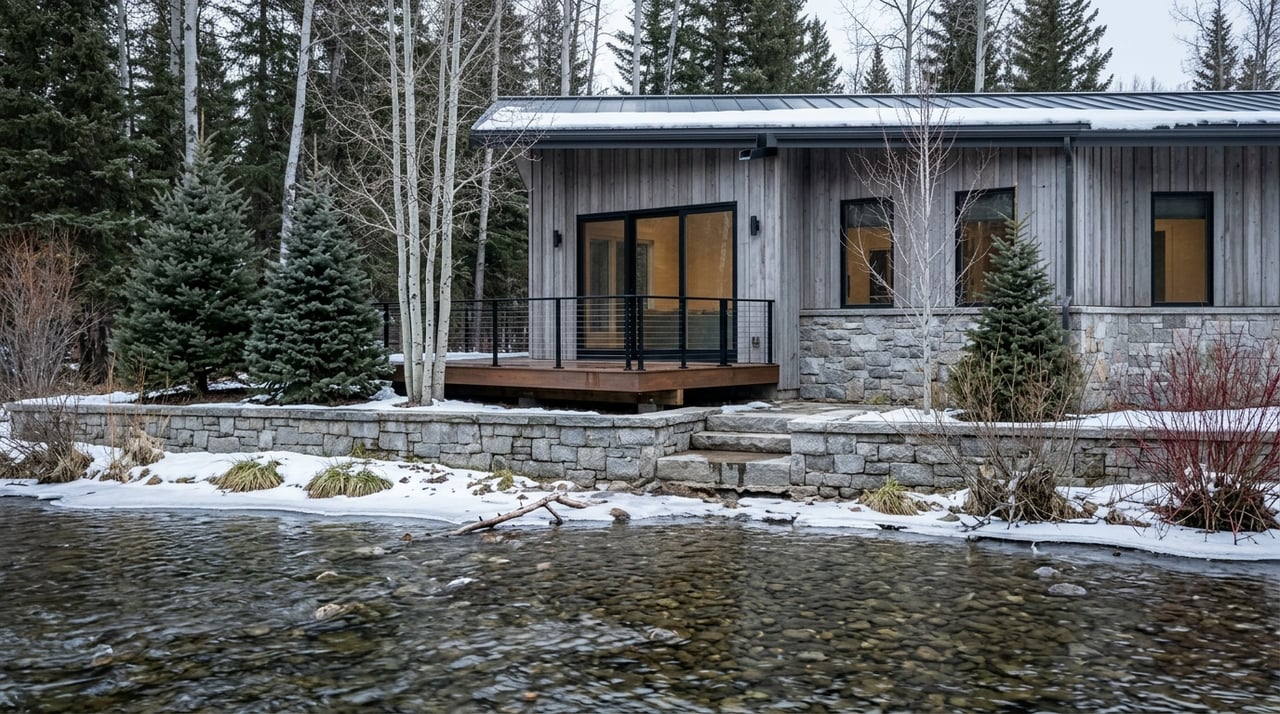
Living along the river in Woody Creek usually means living near the Roaring Fork River corridor, not in a private, gated riverfront setting. According to Pitkin County’s overview of the Roaring Fork Gorge corridor, this area includes open space, conservation easements, fishing easements, and the Rio Grande Trail.
That setting creates a lifestyle that many buyers want. You are close to water, trail access, open views, and some of the valley’s best outdoor recreation, but you also need to expect a more active public corridor than you might find in a typical residential enclave.
What Daily Life Feels Like
Woody Creek has a rural feel that many buyers find appealing. The 2016 Woody Creek Caucus Master Plan describes the area’s character as rural residential and agricultural, with an emphasis on preserving open space and limiting growth in rural areas.
In practical terms, that often means more land, a looser development pattern, and a stronger connection to the surrounding landscape. It can feel peaceful and tucked away, but it is still part of a well-used regional recreation corridor.
The River Is Part of a Shared Corridor
The Roaring Fork River in Woody Creek is closely tied to trails, parks, and public access points. Pitkin County notes that the corridor is popular with rafters, kayakers, anglers, and year-round trail users, so nearby homes may be close to steady outdoor activity, especially in peak seasons.
This is one of the biggest lifestyle tradeoffs to understand upfront. You may gain immediate access to recreation and scenery, but you may not have the same sense of separation you would expect from a more isolated mountain property.
The Rio Grande Trail Shapes the Experience
The Rio Grande Trail runs 42 miles from Aspen to Glenwood Springs, with 20 miles in Pitkin County. County rules allow non-motorized use, Class 1 e-bikes, leashed dogs, and year-round use when conditions allow, with a 20 mph speed limit.
Pitkin County also describes it as its most heavily used trail. If a property sits near the trail or an access point, you should expect a rhythm of cyclists, walkers, runners, and dog owners as part of everyday life.
Nearby Access Points Matter
In Woody Creek, Wilton Jaffee Sr. Park is an important access point with a boat ramp, parking, river access, and trail connections. For nearby homeowners, that can mean more convenience if you enjoy the river, but it can also mean more cars, pedestrians, and seasonal use patterns nearby.
This does not automatically make a location less desirable. It simply means the best river-adjacent property for you depends on how you balance access, activity, privacy, and ease of use.
Privacy and Traffic Considerations
Privacy is one of the main reasons buyers look at Woody Creek, but riverfront or river-adjacent living here requires a realistic view of the setting. The Woody Creek Master Plan notes several public access points to the Roaring Fork River and highlights the need to manage recreation, parking, and traffic so they do not conflict with enjoyment of the area.
That is a helpful reminder that not every river property will feel equally secluded. Two homes may both be near the river, but one may sit close to a trail connection, access point, or parking area while another feels notably more buffered.
Watch River Road Activity
The master plan also identifies concerns around traffic in the River Road and Woody Creek Tavern area, where pedestrians, bicycles, cars, and commercial vehicles can mix. If you are sensitive to traffic flow, road noise, or seasonal congestion, this is worth paying attention to during showings.
A smart approach is to visit a property at more than one time of day and, if possible, in different seasons. A home that feels quiet on a weekday morning may have a different feel during a busy summer weekend.
Future Access Changes Could Matter
Pitkin County is exploring the Twin Bridges project, which could connect Snowmass Village and Woody Creek to the Rio Grande Trail. Over time, projects like this could affect trail access and traffic patterns in the gorge.
If privacy is high on your priority list, it is wise to ask about nearby trail, bridge, or access improvements before moving forward. Future connectivity can be a benefit for some buyers and a concern for others.
Property Rules Near the River
River-adjacent ownership in Woody Creek often comes with more land-use questions than a typical in-town purchase. Pitkin County states that many properties near streams, rivers, lakes, and ponds contain wetlands and riparian areas, which the county treats as important natural buffers for water quality and habitat. You can review the county’s guidance on wetlands and riparian areas for a better sense of how these areas are regulated.
For buyers, this matters because the land you see may not all be equally usable for future improvements. Plans for additions, decks, driveways, fencing, landscaping, or bank work can be affected by setbacks and permit requirements.
Understand Riparian Setbacks
Pitkin County development standards generally require a 100-foot riparian and wetland buffer from protected stream features, with a possible reduction to 50 feet in some cases if there is no harm to water quality or habitat, according to Chapter 7 of the county code. The county can also require additional setback based on site conditions.
That means your usable building envelope may be different from what you first assume when looking at a river property. If future expansion matters to you, due diligence on setbacks should happen early.
Floodplain Rules Are a Major Factor
If a property is within the Special Flood Hazard Area, Pitkin County requires a Floodplain Development Permit and review by the Floodplain Administrator. The same county standards note that residential new construction or substantial improvement must place the lowest floor at least 1 foot above Base Flood Elevation.
Floodplain status can influence cost, design options, insurance planning, and long-term flexibility. It should be part of your review from the beginning, not an afterthought once you are under contract.
Seasonal Water Risk Is Real
Pitkin County’s high water runoff resources warn that spring streamflow can run above average and that flash flooding can happen during spring and summer monsoon seasons. The county also notes a 30-day waiting period for new flood insurance policies.
This is one of the clearest practical takeaways for buyers. Ask about flood history, water intrusion, drainage, and insurance timing as early as possible so you are not making decisions too late in the process.
Easements and Water Rights Questions
Woody Creek has long-standing agricultural and water-use patterns that can affect river-adjacent ownership. The Woody Creek Master Plan notes the local importance of water rights and ditch easements and encourages permit applicants to show adequate water rights for water features.
For you as a buyer, that means it is worth asking whether any irrigation features, landscaping systems, or water elements depend on rights or easements that are separate from the residence itself. It is also important to identify any recorded stream, ditch, access, trail, or utility easements tied to the parcel.
Smart Questions Before You Buy
When you are considering a river property in Woody Creek, a careful review can save time and frustration later. Here are some of the most useful questions to ask based on Pitkin County guidance:
- Is the property inside a floodplain or Special Flood Hazard Area?
- Has the property ever had water intrusion, flooding, or flood-related insurance claims?
- What stream, wetland, ditch, access, trail, or utility easements affect the parcel?
- What setbacks could limit additions, decks, fences, driveways, or other improvements?
- How much seasonal activity comes from the Rio Grande Trail, Jaffee Park, or nearby river access points?
- Are there known traffic, parking, noise, or privacy issues during peak recreation periods?
- Which agencies or local groups may need to review future property changes, including Pitkin County Community Development, the Floodplain Administrator, Open Space and Trails, or local planning groups?
Why Local Guidance Matters
In a place like Woody Creek, the value of local knowledge goes beyond square footage and finishes. The right property can offer an exceptional river lifestyle, but the details around access, regulation, privacy, and future flexibility are what often shape whether a home truly fits your goals.
That is where thoughtful, place-based guidance makes a difference. If you are weighing riverfront or river-adjacent opportunities in Woody Creek, Duncan Clauss Real Estate can help you evaluate the setting, ask sharper due diligence questions, and find a property that aligns with the way you actually want to live.
FAQs
What is river living in Woody Creek like near the Roaring Fork River?
- River living in Woody Creek often means being close to the Roaring Fork River corridor, where open space, trail access, and recreation are part of daily life alongside a rural setting.
What should buyers know about the Rio Grande Trail in Woody Creek?
- The Rio Grande Trail is a heavily used regional trail, so homes near it may experience regular activity from cyclists, walkers, runners, and other permitted users.
What floodplain issues affect river-adjacent homes in Woody Creek?
- Properties in a Special Flood Hazard Area may require floodplain review, development permits, and insurance planning, and construction standards can be more restrictive.
What are riparian setbacks for properties near the river in Pitkin County?
- Pitkin County generally requires a 100-foot riparian and wetland buffer from protected stream features, though some reductions may be possible depending on site-specific review.
What due diligence questions matter most for Woody Creek river properties?
- Buyers should ask about flood history, easements, setbacks, seasonal traffic, nearby public access points, and which county or local planning bodies may affect future property changes.