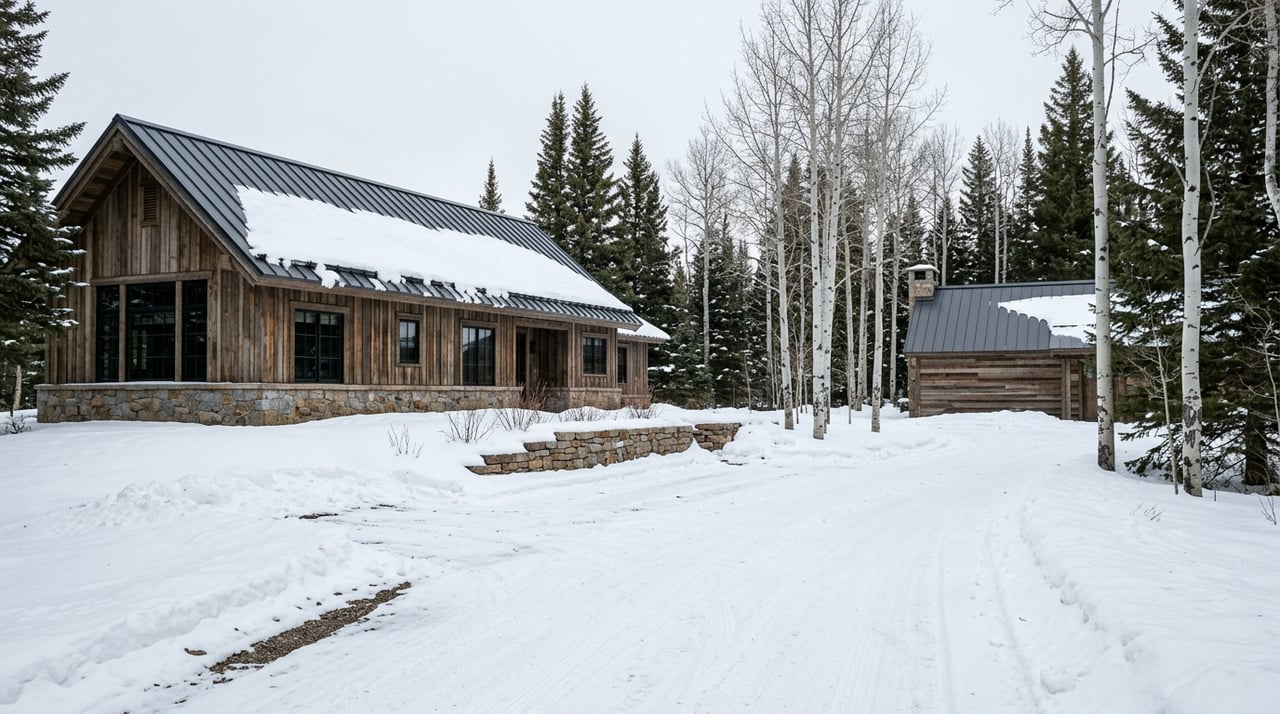
Dreaming of a private mountain compound where family and friends can gather, with room for horses, gear, and guest spaces? In Old Snowmass, that vision is possible, but the path runs through county rules, site constraints, and a smart due diligence plan. If you want clarity on what you can build, how long it might take, and which costs to expect, you are in the right place. This guide lays out the Pitkin County framework, the land checks that matter, realistic timelines, and a step-by-step checklist to move forward with confidence. Let’s dive in.
Start with Pitkin County rules
Who regulates Old Snowmass parcels
Old Snowmass sits in unincorporated Pitkin County, so county staff guide land use, site planning, and building permits. The primary reference is the Pitkin County Land Use Code, Title 8, which outlines permitted uses, review steps, and development standards. Begin with a county pre-application meeting to confirm your parcel’s status and the correct review path as shown in the county’s guidance on how to use the code. You can review the code overview and process details in the county’s resource on how to use the Land Use Code.
- Reference: Review the county’s “How to Use the Land Use Code” guidance for process and contacts at https://sites.google.com/pitkincounty.com/title-8/home/chapter-1-general-provision/1-40-how-to-use-this-land-use-code.
GMQS and TDRs drive size
Pitkin County manages the size and pace of large residential projects using the Growth Management Quota System and Transferable Development Rights. If your vision exceeds the base allowances on the parcel, you may need to buy TDRs or compete for a GMQS allocation. The county explains how GMQS scoring and allocations work in its dedicated section on growth management. Clarify early whether your property already carries development rights or will require TDRs or a quota allotment.
- Reference: See the county’s GMQS scoring and allotments page at https://sites.google.com/pitkincounty.com/title-8/home/chapter-2-review-and-approval-procedures/2-40-specialized-review-and-approval-procedures/2-40-40-growth-management-quota-system-scoringallotments.
Activity Envelopes define where you can build
Large-acreage parcels often include creeks, meadows, wetlands, or wildlife habitat. Pitkin County uses an Activity Envelope approach to limit disturbance and place buildings, driveways, and utilities outside constrained areas. Expect a Site Plan and Activity Envelope review to locate structures, septic fields, and access routes consistent with Chapter 7 development standards.
- Reference: Learn how Activity Envelopes and site constraints apply in Chapter 7 standards at https://sites.google.com/pitkincounty.com/title-8/home/chapter-7-development-standards/7-10-general.
Verify the land before you buy
Access and snow removal
Confirm that your parcel has recorded, legal access and a clear road maintenance agreement. Ask who plows the road in winter and how costs are shared. If a driveway crosses a bridge or another parcel, require the recorded easement language and maintenance terms.
Wells and water rights
Check whether a permitted domestic well exists, if records need updating, or if you must apply for a new well permit. The Colorado Division of Water Resources maintains the well-permit search and sets processing timelines. If irrigation ditch shares or surface rights are represented, verify what actually transfers and the supporting infrastructure on site.
- Reference: Use the DWR well-permitting resources and search tools at https://dwr.colorado.gov/services/well-permitting.
Septic feasibility
Most Old Snowmass properties rely on on-site wastewater treatment systems. Pitkin County Environmental Health oversees OWTS permits and records, with designs tailored to soils and flows. If you plan guest houses, caretaker units, or added bedrooms, commission an early OWTS feasibility study to understand capacity, alternatives, and timeline.
- Reference: See Pitkin County’s OWTS and septic guidance at https://pitkincounty.com/1146/Wastewater.
Floodplains and wetlands
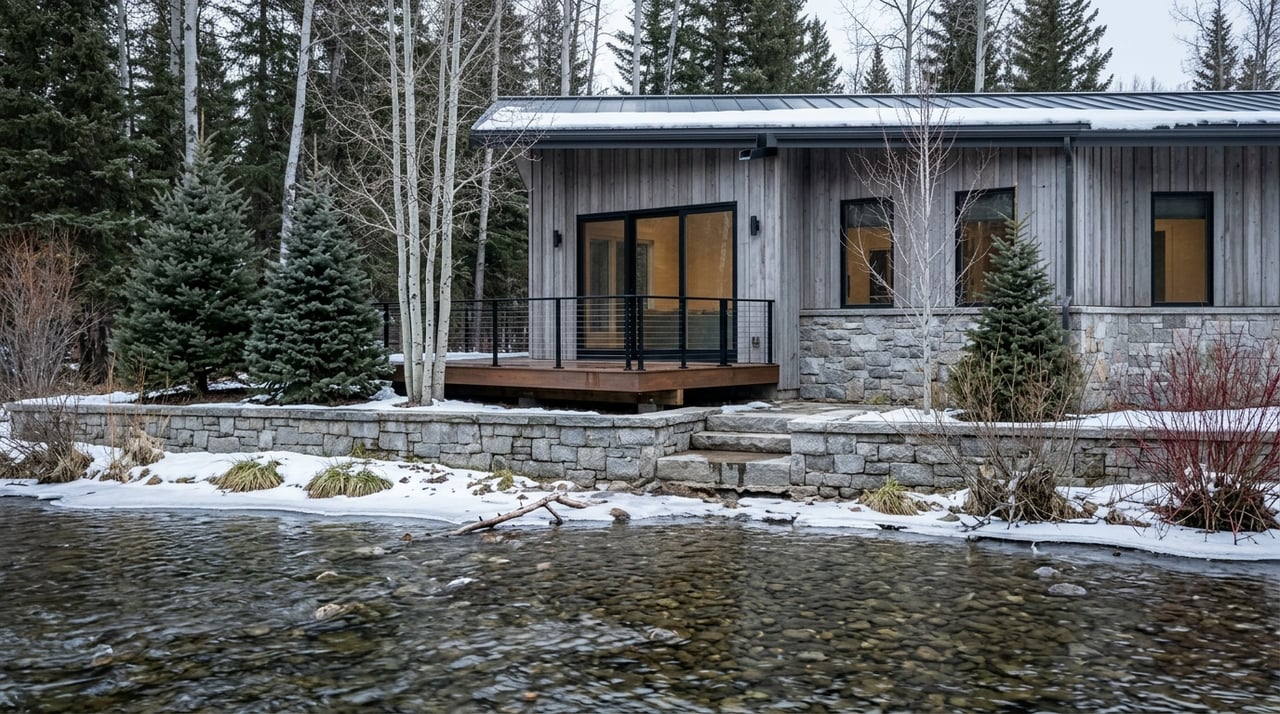
Parcels along Snowmass Creek and nearby valley floors may include FEMA floodplains, riparian setbacks, or wetlands. These features limit building areas and can shape your Activity Envelope. Run a FEMA flood check and request county constraint mapping as part of due diligence.
- Reference: County development standards addressing constrained areas appear in Chapter 7 at https://sites.google.com/pitkincounty.com/title-8/home/chapter-7-development-standards/7-10-general.
Geotech and soils
Mountain soils and slopes vary widely. A geotechnical investigation will confirm foundation needs, slope stability, and whether septic leach fields are feasible in proposed locations. Build this testing into your contingency period so design decisions are grounded in data.
Wildfire risk and access
Much of the region is mapped at medium or high wildfire intensity. Expect to plan for defensible space, fire apparatus access standards, and ember-resistant construction as Pitkin County advances wildfire code updates. Local fire districts offer site assessments that can guide cost and design.
- Reference: Track county wildfire code updates and resources in this county news item at https://pitkincounty.com/m/newsflash/Home/Detail/809.
Power, broadband, and energy rules
Holy Cross Energy serves much of the valley and continues to invest in broadband backbone and clean-energy programs. On remote acreage, transformer availability and line-extension costs can be material, so get estimates early. Pitkin County’s building and energy rules may add requirements for large homes and electric-ready features during permit review.
- References: See Holy Cross Energy’s broadband infrastructure update at https://www.holycross.com/blog/press-release-holy-cross-energy-completes-phase-i-of-broadband-infrastructure-in-roaring-fork-valley and Pitkin County Building Department information at https://www.pitkincounty.com/192/Building.
Existing easements and conservation
Title review should confirm any recorded conservation easements, TDR severances, and Open Space & Trails interests. Conservation actions nearby can change the development context and long-term privacy around your parcel. Factor these constraints and adjacencies into your site plan.
- Reference: For recent context on conservation in the Snowmass Creek Valley, see the report on a county open-space acquisition at https://www.aspenpublicradio.org/environment/2024-01-08/650-acre-snowmass-creek-valley-ranch-to-go-to-pitco-open-space-trails.
Approvals and timelines to expect
Here is a high-level pathway many compound projects follow in Pitkin County. Your results will vary by parcel and scope.
Pre-application and due diligence. Meet with county planning to confirm parcel status, development rights, and likely review steps. In parallel, initiate title review, well and OWTS records checks, geotech and septic testing, wildfire assessment, and utility cost estimates. Typical calendar time is 4 to 8 weeks when tasks run in parallel.
Activity Envelope and Site Plan. Define where buildings, access, septic, and utilities can go relative to constrained areas identified by the county. Depending on complexity and public notice requirements, many applications run 3 to 9 months.
GMQS or TDRs if needed. If your design exceeds base allowances, acquire TDRs or compete for a GMQS allocation. The annual GMQS cycle and scoring rules can add months to the schedule.
Building permits and code review. Expect 2 to 6 months for plan review on complex, multi-structure projects, including energy and wildfire compliance reviews, followed by inspections during construction.
Construction. A multi-structure mountain compound with significant site work commonly takes 18 to 36 months from groundbreaking.
- References: County code process overview at https://sites.google.com/pitkincounty.com/title-8/home/chapter-1-general-provision/1-40-how-to-use-this-land-use-code; Activity Envelope standards at https://sites.google.com/pitkincounty.com/title-8/home/chapter-7-development-standards/7-10-general; GMQS scoring at https://sites.google.com/pitkincounty.com/title-8/home/chapter-2-review-and-approval-procedures/2-40-specialized-review-and-approval-procedures/2-40-40-growth-management-quota-system-scoringallotments; Building permits at https://www.pitkincounty.com/192/Building.
Carrying costs to budget
Build a realistic operating budget alongside design. Key categories include:
Property taxes and assessments. Mill levies change annually. Ask for the parcel account and recent tax bills and consult county treasurer resources for specifics.
Utilities and energy. Electric line extensions, transformer upgrades, and broadband extensions can be significant on remote sites. Consider backup power and redundancy for wells and heating.
OWTS and well operations. Plan for septic pumping and inspections, pump maintenance, and water-quality testing.
Wildfire mitigation and insurance. Ongoing fuels reduction, defensible-space upkeep, and potential insurance premiums in higher hazard zones.
Road and driveway maintenance. Private roads often share plowing and maintenance costs via agreement or HOA.
HOA or ranch assessments. If inside a PUD or ranch association, confirm what services are included.
Reference: See general county FAQ resources for tax and assessment basics at https://pitkincounty.com/FAQ.aspx.
Your buyer checklist
Pre-offer and contingency actions
- Pull title and recorded easements; confirm legal access and road-maintenance obligations.
- Search DWR well records and confirm permit status and allowable uses.
- Request Pitkin County OWTS permit records; locate a potential replacement area if needed.
- Schedule a county pre-application or Planner-of-the-Day discussion to confirm development rights, base house size, and whether GMQS or TDRs apply.
- Run a FEMA flood check and request county constraint maps to inform the Activity Envelope.
Technical studies to order
- ALTA boundary and topographic survey.
- Civil engineering for driveway geometry, grading, drainage, culverts, and bridges.
- Geotechnical report and soils testing for septic.
- OWTS feasibility and conceptual design from a licensed local designer.
- Hydrologic review for creek frontage, plus wetland delineation if needed.
- Water-rights counsel to confirm ditch shares and priority dates.
- Wildfire specialist and local fire district walk-through for a defensible-space plan.
Build your core team
- Local broker experienced with Pitkin County acreage.
- Land-use attorney for easements, TDR history, and conservation encumbrances.
- Civil and geotechnical engineers.
- Licensed septic designer and contractor.
- Water-rights attorney or hydrologist if irrigation is part of the plan.
- General contractor with mountain compound experience.
- Surveyor and a title company familiar with county records.
Red flags to catch early
- No recorded legal access or only a verbal agreement. Without a recorded easement, approvals and financing can be at risk.
- A single, narrow driveway in a mapped high-wildfire area with no secondary egress. This can affect insurance, emergency response, and approval of your Activity Envelope. See county wildfire code updates at https://pitkincounty.com/m/newsflash/Home/Detail/809.
- No well permit where a drilled well is required, or an unregistered historic well. Verify DWR records and permit paths at https://dwr.colorado.gov/services/well-permitting.
- Evidence of TDR severance or a recorded conservation easement that reduced development rights. Confirm with title and county records before finalizing a program for structures.
Plan with a local guide
A great outcome on acreage is a team effort. When you combine early county engagement with disciplined title, water, OWTS, access, wildfire, and utility checks, you get fewer surprises and more design freedom. If you want a quiet, private base in Old Snowmass, start with due diligence and a realistic timeline, then let your site and the code shape a thoughtful plan.
Ready to explore parcels or pressure-test a compound concept? Connect with Duncan Clauss Real Estate to request a personalized consultation or home valuation.
FAQs
How big can I build in Old Snowmass?
- Size depends on your parcel’s base development rights under Pitkin County’s Land Use Code, whether you secure TDRs or a GMQS allocation, and what your Activity Envelope allows after site constraints are mapped; schedule a county pre-application meeting to confirm specifics.
Do I need a well permit and how long does it take?
- If a permitted domestic well is not already in place, you will apply through the Colorado Division of Water Resources, where complete residential applications often process in several weeks to a couple months; build 4 to 8 weeks into your plan.
What septic rules apply to a multi-structure compound?
- Most properties use on-site wastewater systems overseen by Pitkin County Environmental Health; if you are adding bedrooms, guest units, or caretaker housing, get an early OWTS feasibility study to size the system and understand alternatives.
What is a realistic high-level timeline from offer to move-in?
- Many projects run 4 to 8 weeks for pre-application and due diligence, 3 to 9 months for Activity Envelope and Site Plan, 2 to 6 months for building plan review, and 18 to 36 months for construction, depending on scope and whether GMQS or TDRs are needed.
How does wildfire risk affect approvals and insurance?
- Parcels in medium or high hazard zones often require defensible space, fire-app access improvements, and ember-resistant construction per evolving county and state standards; these factors can also influence insurance availability and cost.
What carrying costs are common on large Old Snowmass acreage?
- Expect property taxes, private road and snow removal, utility and line-extension fees, OWTS and well maintenance, ongoing wildfire mitigation, and any applicable HOA or ranch assessments.