Looking for a retreat property in Old Snowmass? The design choices that work best here are often the ones that do less, not more. If you want a home that feels calm, grounded, and true to the land, it helps to understand how Pitkin County views this valley and what that means for siting, style, and daily function. Let’s dive in.
Start With the Land
Old Snowmass is defined by a rural valley setting shaped by open pastures, meadows, natural watersheds, riparian corridors, and working agricultural land. The 2023 Valleys of Capitol Creek and Lower Snowmass Creek master plan describes the area as predominantly rural and agricultural, with large-scale livestock grazing, equestrian activity, and irrigated farming playing an active role in the landscape.
That matters because the strongest retreat properties here tend to feel connected to the land instead of imposed on it. In practical terms, that usually means a quieter visual presence, thoughtful placement, and a design approach that supports the valley’s working landscape rather than competing with it.
Design for Restraint
In Old Snowmass, luxury often shows up as restraint. Pitkin County’s local planning guidance encourages buildings that do not dominate the landscape and that sit in harmony with the topography.
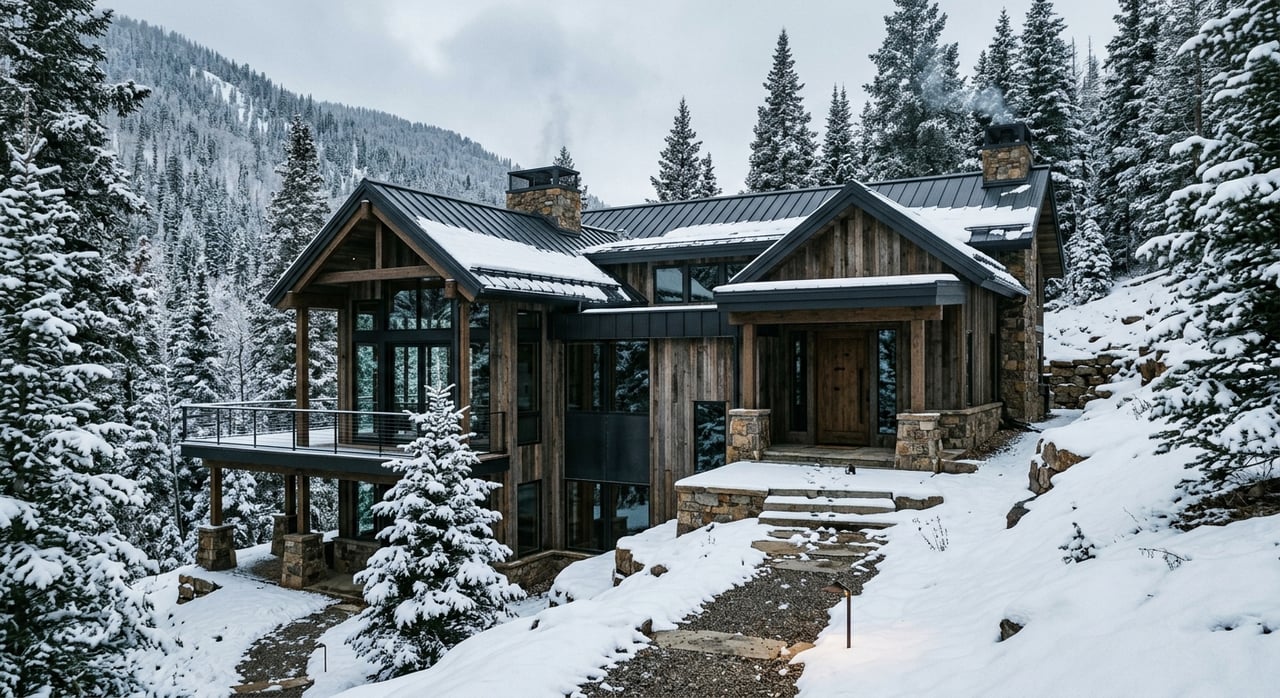
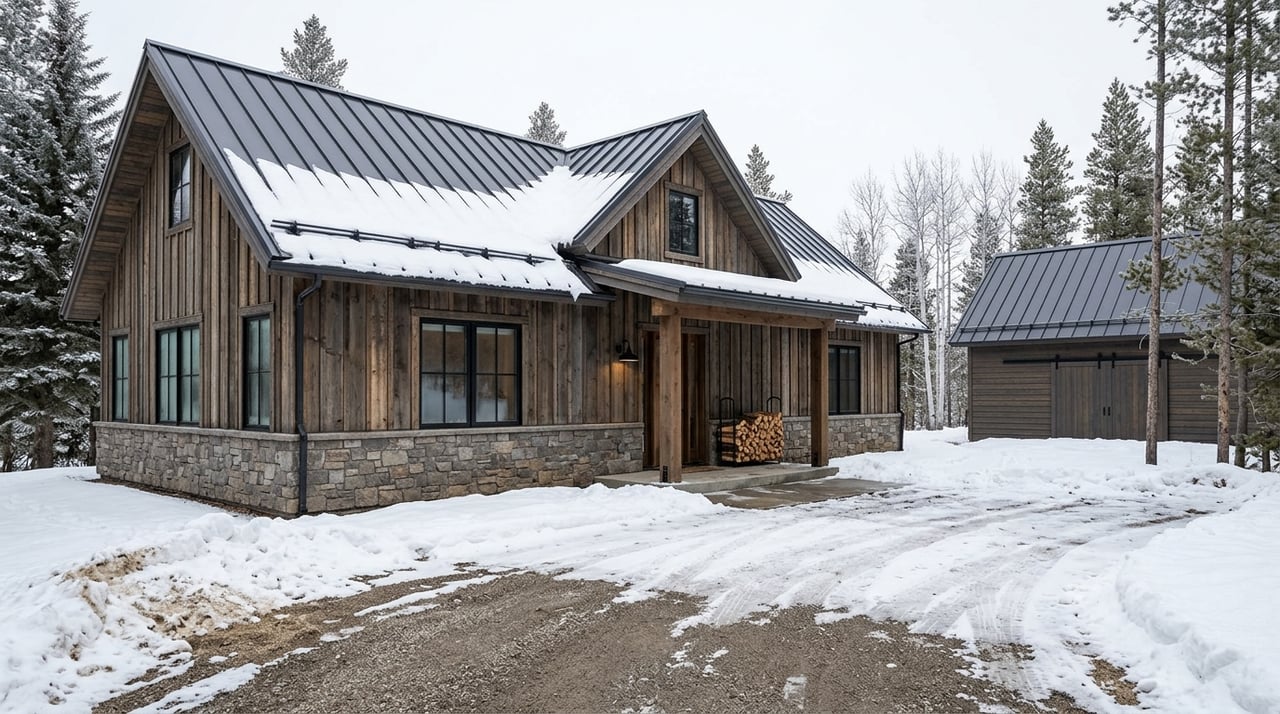
The visual cues are clear. The master plan favors ranch-style forms, broken roof lines, earth-tone finishes, low-reflectivity roofs, native landscaping, and modest permeable parking areas. It also discourages highly reflective windows and supports minimal outdoor lighting to help protect wildlife and dark skies.
What that looks like in practice
A retreat home here often works best when it includes:
- Low-profile massing that follows the slope of the site
- Natural materials and finishes that blend with meadow, pasture, and hillside tones
- Roof forms that break up scale instead of creating one large visual block
- Landscaping that relies on native plantings rather than formal, high-contrast design
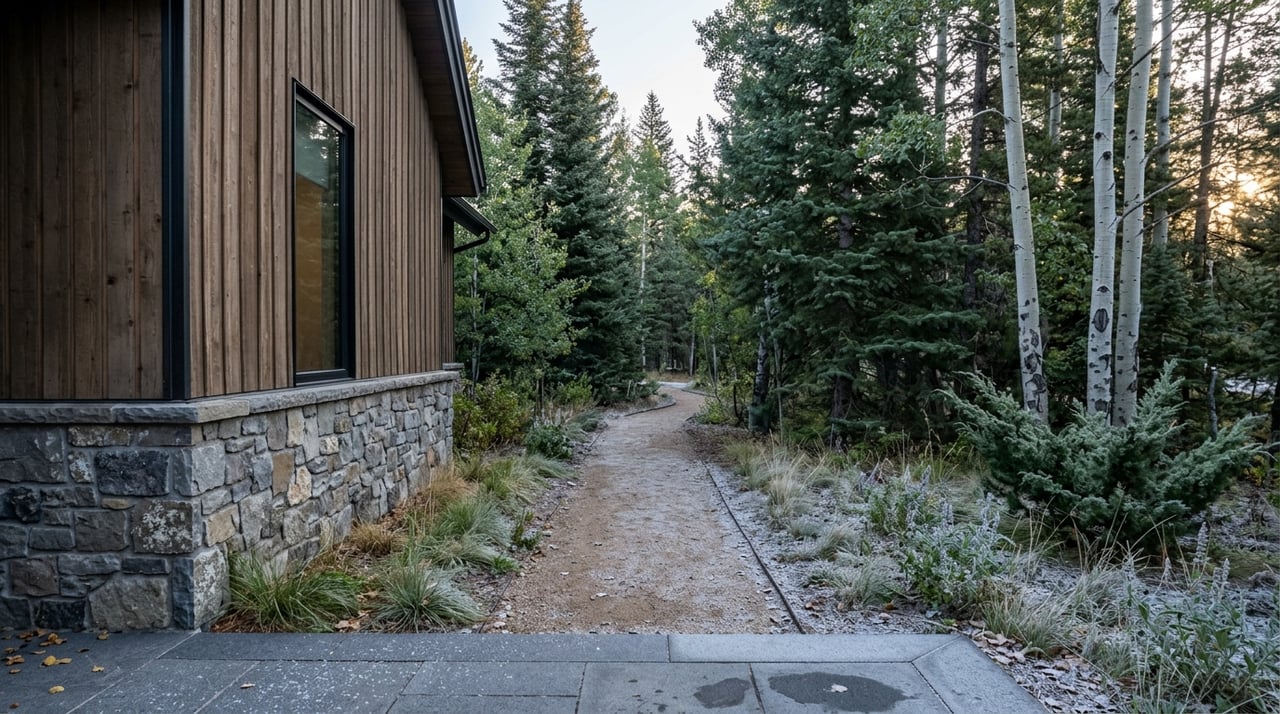
- Arrival areas that feel functional and understated
This kind of design does not mean sacrificing comfort. It means creating a home that feels settled, durable, and specific to Old Snowmass.
Orient the Home Carefully
Orientation is one of the most important early design decisions. The U.S. Department of Energy notes that passive solar homes depend on site conditions, sun access, and a south-facing portion with an unobstructed view of the sun.
In a mountain valley, that guidance is especially useful. A well-oriented home can bring better daylight into main living spaces and support solar heat gain during colder months, while still accounting for glare, snow reflection, and summer overheating.
Prioritize these spaces
When you are planning a retreat property, it often makes sense to place the following areas where they can capture light and views:
- Main living room
- Kitchen and dining area
- Primary bedroom suite
- Covered outdoor living spaces
- Home office or reading room
The goal is simple: make the rooms you use most feel warm, bright, and connected to the landscape throughout the year.
Build a Program That Fits Real Valley Life
A successful Old Snowmass retreat is not just about the main house. It is also about how the property supports day-to-day use across seasons.
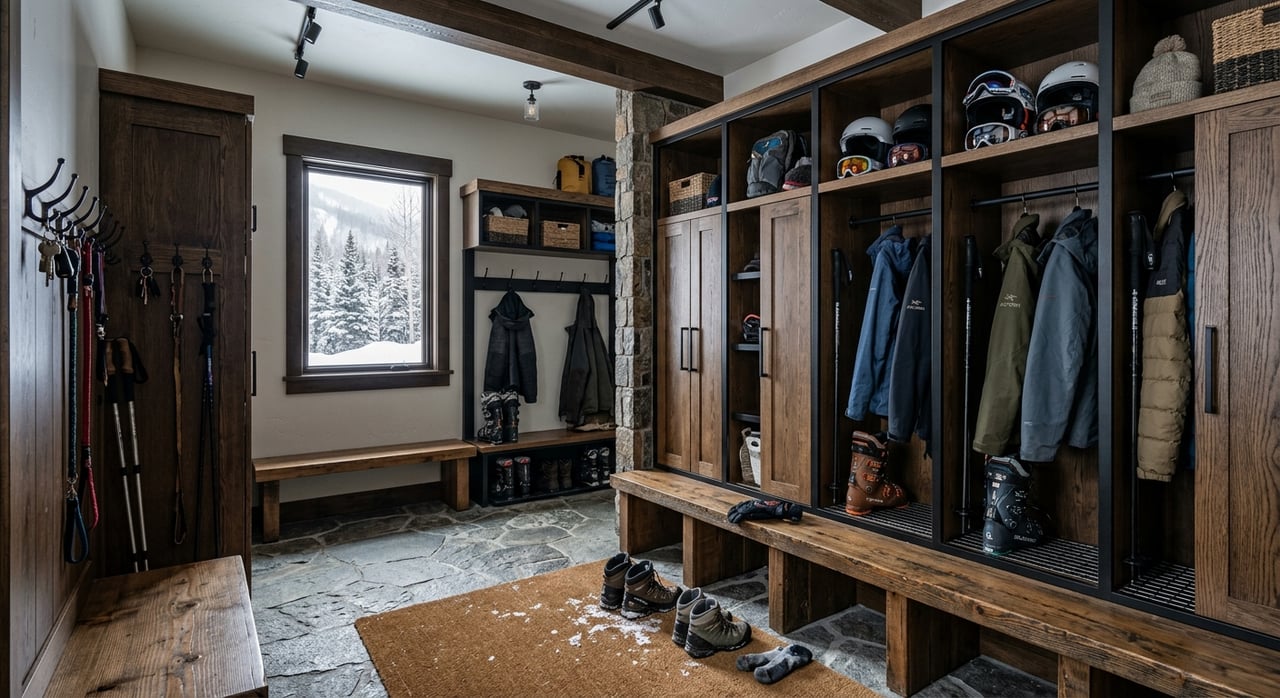
Because local trails are open year-round for activities like walking, running, biking, horseback riding, cross-country skiing, and winter recreation, the most useful homes tend to include hardworking support spaces. That can mean a generous mudroom, ski and boot storage, bike storage, and durable entry surfaces that handle snow, water, and gear.
Support spaces that add value
These features often make a retreat property function better:
- Mudroom with easy-to-clean flooring
- Dedicated ski, boot, and outerwear storage
- Bike and gear storage
- Laundry space near the main entry
- Heated or protected transition areas for winter conditions
- Utility-minded garage planning that supports access without becoming a visual focal point
In Old Snowmass, these spaces are not extras. They are part of what makes a home easy to use and easy to maintain.
Think Barns and Outbuildings Early
If you want a barn, equipment building, or service structure, it is smart to address that from the start. Pitkin County code can be more accommodating of accessory structures that support rural life than ornamental additions, and in certain development pathways, accessory structures including barns and agricultural buildings can receive up to 2,500 square feet of floor area.
The county’s planning guidance also says that outbuildings should reflect western rural character and use scale and materials consistent with surrounding development. In other words, the best outbuildings feel like part of a cohesive property plan, not an afterthought.
Guest space is not automatic
Detached guest accommodations should be treated as a zoning and review question, not a given. Under county code, detached caretaker dwellings and other accessory residential space may require special review depending on the zone district and lot conditions.
If guest space is part of your vision, it is worth evaluating that early so the design team can plan around what the site and code will actually allow.
Protect Open Space and Agricultural Use
The local master plan is direct about preserving open space, irrigated agricultural lands, and pasture when siting structures and driveways. That guidance has a big impact on retreat design because it pushes the layout toward preservation instead of maximum build-out.
For many buyers, that is part of the appeal. A property that protects meadows, respects existing land patterns, and keeps structures tucked into the terrain often feels more timeless and more valuable over the long run.
Site planning moves that make sense
Good early planning may include:
- Placing structures where they minimize visual intrusion
- Limiting driveway impact across open land
- Avoiding unnecessary disturbance near riparian areas
- Preserving usable pasture or irrigated ground where possible
- Keeping parking areas modest and permeable when appropriate
These choices can help the property feel more natural from day one.
Plan for Water, Drainage, and Site Systems
In the Old Snowmass area, site infrastructure matters early. Pitkin County notes that many residences rely on private wells, many properties contain wetlands or riparian areas, and both stormwater runoff and irrigation can affect local water quality.
That is why septic layout, driveway grading, and utility placement are not details to save for later. They are part of the design framework, especially in areas where individual water supply systems and individual sewage disposal systems may be part of the property setup.
A beautiful plan on paper can change quickly once drainage, topography, and site constraints come into focus. Starting with those realities usually leads to a better result.
Design for Wildlife and Dark Skies
The Snowmass-Capitol Creek planning guidance places real emphasis on wildlife corridors, quiet roads, and dark skies. That affects more than exterior style. It also shapes lighting, fencing, and circulation decisions.
Minimal outdoor lighting, wildlife-friendly fencing, and careful placement of buildings and roads all support a better fit with the surrounding environment. For a retreat property, these decisions also create a calmer and more private experience once the home is complete.
Prepare for Access and Winter Conditions
Old Snowmass roads are often narrow and circuitous, and the local plan notes that timely snow plowing is a priority on county roads accessing residences. That makes access planning an important part of design.
A well-designed retreat should account for snow storage, safe arrival, durable exterior surfaces, and practical movement between house, garage, and outbuildings. The best winter design choices are usually subtle, but you feel their value every time conditions turn.
Understand the Approval Process Early
Permit planning is part of the design story in Pitkin County. The county requires building permits for all structures regardless of size or use, and most building permits require a pre-submittal meeting.
Depending on the project, site work may also trigger approvals related to access, earthmoving, floodplain issues, fences, and onsite wastewater. When you understand that framework early, you can design with fewer surprises and a more realistic timeline.
Wildfire resilience now matters even more
Pitkin County adopted the Wildfire Resiliency Code for building permit applications submitted on or after May 2, 2026. That means fire-resistant detailing and structure hardening have become central design considerations for new projects moving through the permit process.
For buyers considering land or a major build in Old Snowmass, that change is important. It affects how you think about materials, assemblies, and long-term resilience from the outset.
Why Old Snowmass Feels Different
The RR district in Pitkin County is intended to conserve and protect the natural environment, preserve low-density backcountry character, and allow only limited development. Its locational criteria include limited utility service, limited emergency access, little surrounding development, hazard areas, and adjacency in some cases to public lands.
That context helps explain why retreat properties here feel different from suburban estates or resort-oriented compounds. The most successful homes in Old Snowmass are usually the ones that read as lived-in landholdings, shaped by the valley rather than separated from it.
Designing a Better Retreat Property
If you are considering a retreat property in Old Snowmass, the design brief should start with place. Think sun, slope, access, water, open space, rural function, and visual quiet before you think about showpiece gestures.
That approach often leads to a home that lives better, fits the valley more naturally, and holds its appeal over time. And if you are evaluating a purchase, those same design principles can help you spot which properties already align with the character and expectations of Old Snowmass.
When you want local guidance on identifying, evaluating, or positioning a distinctive property in the Roaring Fork Valley, Duncan Clauss Real Estate offers the kind of place-based insight that helps you make smarter decisions with confidence.
FAQs
What home style fits best in Old Snowmass?
- The local planning guidance points toward moderate-scale, ranch-influenced forms with earth-tone finishes, broken roof lines, low-reflectivity roofs, native landscaping, and minimal outdoor lighting.
Can an Old Snowmass retreat property include a barn?
- In many cases, accessory structures such as barns and agricultural buildings may be possible, and in certain development pathways they can receive up to 2,500 square feet of floor area, but the exact allowance depends on code and project specifics.
Can an Old Snowmass property have detached guest space?
- Detached guest or caretaker space is code-dependent and may require special review depending on the zone district and lot conditions, so it should not be assumed.
Why is home orientation important in Old Snowmass?
- Orientation affects daylight, solar heat gain, glare, snow reflection, and seasonal comfort, which makes it especially important in a mountain valley setting.
What approvals might an Old Snowmass project need?
- Pitkin County requires building permits for all structures, and a project may also involve pre-submittal review plus approvals related to access, earthmoving, floodplain matters, fences, and onsite wastewater.
What changed for wildfire rules in Pitkin County?
- The Wildfire Resiliency Code became effective for building permit applications submitted on or after May 2, 2026, making fire-resistant design and structure hardening more important in project planning.