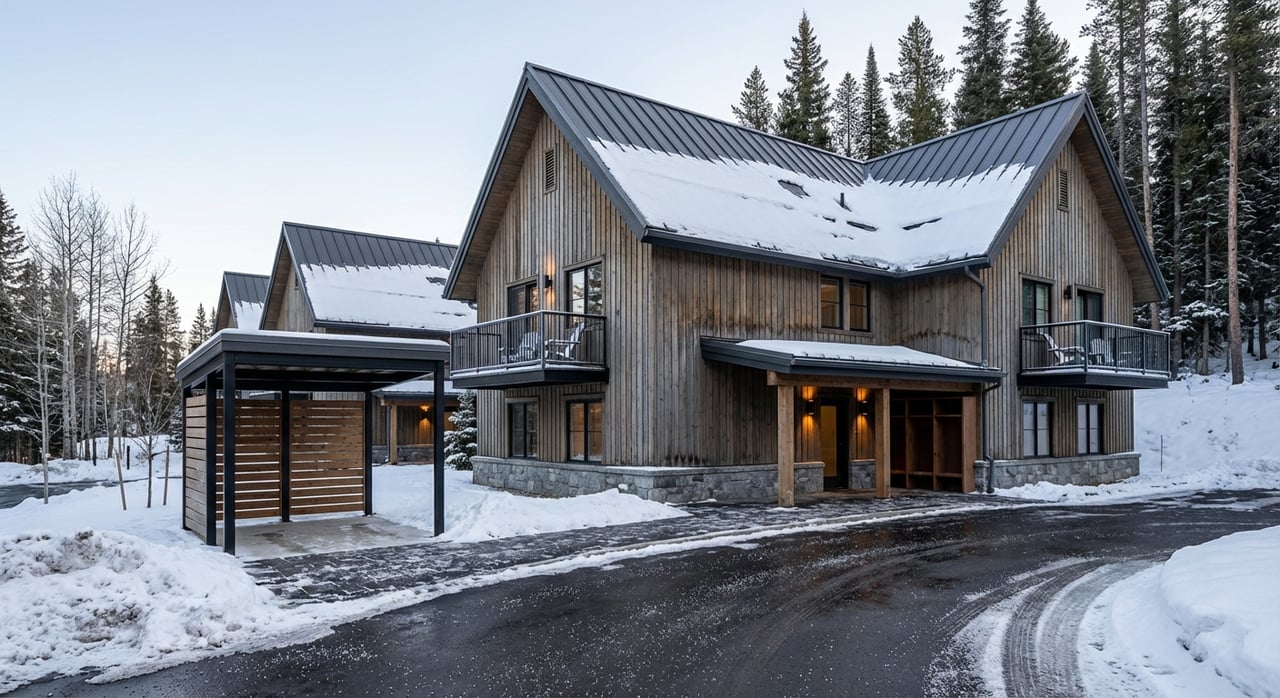
Shopping for a condo in Snowmass Village can feel like comparing apples to pineapples. One building promises “ski-in/ski-out,” another highlights a pool and ski valet, and a third touts rental income. You want a place that fits how you live and protects your investment. This guide walks you through how to compare communities with a clear, local-first checklist so you can buy with confidence. Let’s dive in.
Ski access: define and verify
Ski convenience drives value in Snowmass. Marketing language varies, so pin down what access really looks like for each building.
- True slope-edge: the building adjoins a groomed, resort-maintained trail.
- Short ski walk: a brief connector, stairs, or path to a trail or lift.
- Walk or shuttle: you walk a few minutes or ride the village shuttle to a lift.
- Drive: you need to drive to park and ski.
How to verify:
- Use the official Snowmass trail map to locate the nearest groomed trail or lift and note the route both directions. Start with the resort’s map for clarity and accuracy. Check the map here: Snowmass trail maps.
- Confirm legal access. Look for a recorded ski easement or right of way if the route crosses other property. Search the county’s recorder portal: Pitkin County official records.
- Test it in winter. Time the route in and out, including stairs, road crossings, and any spots where you must remove skis.
Red flags:
- Claims that do not match the resort trail map.
- No recorded easement where routes cross private land.
- Routes that require frequent ski removal or depend on seasonal snowmaking.
Amenities and on-site services
Amenities shape both lifestyle and dues. Create a simple inventory for each community and ask what is included in the HOA fee versus pay-per-use.
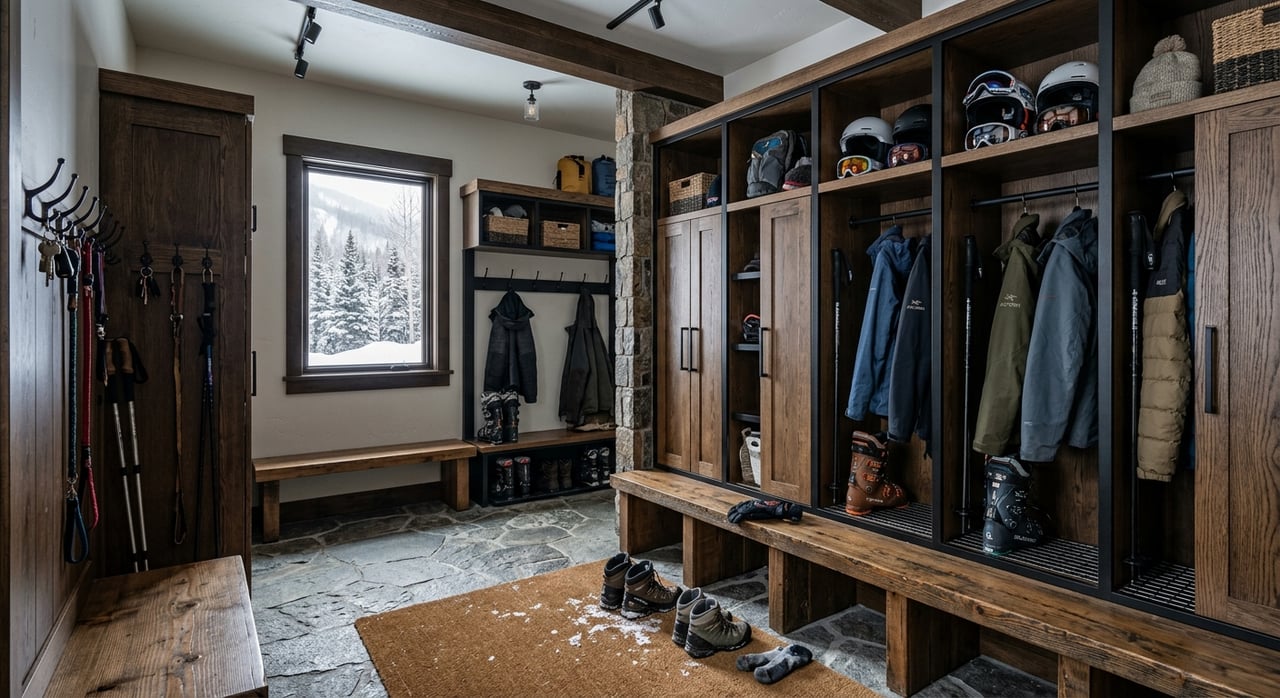
- Ski valet, lockers, boot dryers
- Front desk or concierge hours
- Pools, hot tubs, fitness, spa
- On-site dining or club access
- Covered or underground parking, EV charging
- Storage for bikes and gear
- Housekeeping or linen service options
- In-house rental management or rental pool
Follow up on details like seasonal schedules, guest access rules, and any separate member fees. If staff or services are seasonal, note the off-season experience so you know what everyday living feels like beyond peak weeks.
Renovation and building quality
Mountain weather is tough on buildings. Compare each association’s recent and planned capital work so you are not surprised by assessments later.
- Check year built and construction type.
- Look for recent envelope work: roofs, siding, balconies, waterproofing.
- Ask about mechanical systems: boilers, chillers, domestic hot water.
- If there are elevators, review inspection or replacement history.
- Confirm that notable renovations were permitted.
Where to look:
- Review assessor and permit history through the county portal: Pitkin County Real Property Search.
- Read HOA meeting minutes for the last 12 to 24 months to see completed work, bids, timelines, and any special assessments.
Red flags include multiple recent special assessments, visible deferred maintenance, or large projects with unclear funding or timelines.
HOA health and documents
Healthy associations plan ahead and communicate. Request a full document set for every building you are comparing so you can line up facts side by side.
Must-have documents:
- CC&Rs, bylaws, and operating rules
- Current budget and recent financial statements
- Latest reserve study and funding plan
- Board and owner meeting minutes for 12 to 24 months
- History of special assessments and any planned projects
- Dues delinquency data, loans, or liens
- Master insurance certificate and coverage summary
- Management contract and key vendor agreements
- Rental policy and any registration rules
Key metrics to compare:
- Monthly HOA fee and what it covers (heat, water, cable, exterior maintenance)
- Reserve balance and percent funded. Many buyers look for a healthier percent-funded position to reduce surprise assessments. Learn how percent funded works here: Association Reserves on percent funded.
- Special assessment history and reasons
- Dues delinquency rate
Colorado law gives owners and buyers access to many association records. You can reference records requirements within state statutes here: Colorado association records rules.
Transportation and parking
Everyday mobility matters, especially if you will visit in winter or host guests.
- Assigned spaces and guest parking policies
- Covered or underground parking and snow-clearing rules
- EV charging availability
- Distance to the Village Shuttle and frequency by season
- Service to Aspen and the airport via RFTA
You can confirm village and regional bus options here: RFTA Snowmass Village routes.
Short-term rentals and permits
If you plan to rent, align three things: HOA rules, jurisdiction, and market performance.
- HOA rules: Are rentals allowed? Is there a minimum stay or a cap? Are there registration or guest rules?
- Jurisdiction: Most Snowmass Village condos fall under the Town of Snowmass Village STR program. Review permit types, timelines, and fees here: Town of Snowmass Village STR portal.
- Market performance: Compare occupancy, nightly rates, and RevPAR between buildings and micro-locations. A quick snapshot is available here: AirDNA Snowmass Village overview.
Red flags include HOA bans on rentals, permits at risk, or buildings dominated by short stays if you want a quieter owner experience.
Natural hazards and insurance
In mountain towns, insurance terms vary by building and hazard exposure. Ask for the association’s certificate of insurance and confirm the master policy type and deductibles.
- Master policy: all-in versus bare-walls affects what your HO-6 must cover.
- Deductibles: higher deductibles can shift cost to owners after a claim.
- Hazard context: review wildfire mitigation in the area and consider avalanche context for backcountry-adjacent terrain. Local observations and forecasts are published by the Colorado Avalanche Information Center: CAIC regional report.
For a primer on condo coverage and how the master policy interacts with your HO-6, see this consumer guide: Condo insurance basics.
Step-by-step due diligence
Follow this sequence to compare communities on level ground.
- Identify the unit and pull the assessor page plus recorded documents. Use the county portals to find parcel data, CC&Rs, easements, and any liens. Start at the Pitkin County Real Property Search and the official records portal.
- Request the full HOA resale packet. Review CC&Rs, bylaws, budget, financials, reserve study, insurance summary, minutes, and vendor contracts.
- Read the reserve study and minutes. Calculate percent funded and note planned capital work with timing and cost.
- Verify ski access. Overlay the building on the Snowmass trail map and time the real route in winter if possible.
- Confirm rental fit. Cross-check HOA rules with the Town of Snowmass Village STR portal and note permit requirements by unit type.
- Benchmark rental performance. If investing, pull a third-party snapshot like AirDNA’s Snowmass overview to compare occupancy, ADR, and RevPAR.
- Review insurance. Ask for the master policy certificate and have your insurance professional quote an HO-6 that accounts for the building’s policy type and deductibles.
- Verify permits and capital work. Match major projects to permit numbers and timelines in county records.
Quick comparison worksheet
Use this checklist for each building or unit you tour.
- Identification: building name, address, parcel number, unit size and layout, view orientation.
- Ski access: category, nearest lift or trail, minutes door to snow, recorded access noted.
- Amenities and services: list, hours, included versus extra fees, seasonal notes.
- HOA finances: dues and inclusions, reserve balance and percent funded, recent or planned assessments, delinquency rate.
- Renovation and capital: year built, recent envelope/mechanical work, upcoming projects, permit references.
- Rentals: HOA rental rules, STR permit needed and status, market indicators.
- Parking and logistics: assigned spaces, guest parking, EV charging, shuttle proximity, snow clearing.
- Insurance and hazards: master policy type and deductible, any notable wildfire or avalanche context.
- Market comps: recent sales in building, price per square foot, days on market.
- Overall: pros and cons, plus a simple weighted score based on your priorities.
Red flags to watch
- Vague “ski-in/ski-out” language that does not align with the official trail map or lacks recorded access.
- Missing or outdated reserve study, or reserves far below funding recommendations.
- Frequent or large special assessments without a clear plan.
- Evidence of significant litigation, liens, or high dues delinquency.
- HOA rental restrictions that do not match your income plan.
- Master policy with very high deductibles or coverage gaps that shift risk to owners.
Buying in Snowmass should feel effortless once the facts are clear. If you want help assembling documents, interpreting reserve studies, or pressure-testing ski access and rental fit, reach out. You will get locally rooted guidance with a calm, practical plan for due diligence and a lifestyle lens that matches how you want to use the home. Connect with Duncan Clauss Real Estate for a personalized consultation.
FAQs
What does “ski-in/ski-out” really mean in Snowmass?
- It ranges from true slope-edge access on a groomed trail to a short walk or shuttle; verify with the official Snowmass trail map and a winter test of the route.
Which HOA documents should I request before buying a condo?
- Ask for CC&Rs, bylaws, rules, budget and financials, reserve study, insurance summary, meeting minutes, rental policy, and any loans or liens referenced in records.
How do I evaluate short-term rental potential for a unit?
- Confirm HOA rental rules, check the Town permit requirements at the Snowmass STR portal, then compare occupancy and rates with a source like AirDNA’s Snowmass overview.
How can I check if big renovations were permitted or completed?
- Match HOA minutes and reserve plans to county records by searching the Pitkin County Real Property Search and the official records portal for permits, easements, and recorded documents.
What insurance details should I confirm for a Snowmass condo?
- Ask whether the master policy is all-in or bare-walls and the size of deductibles, then have your agent tailor your HO-6; review hazard context with resources like the CAIC regional report.