Are you weighing whether to lease or buy retail space in Willits Town Center? In a mountain market like Basalt, the right choice depends on seasonality, limited inventory, and your goals as an operator or investor. You want control and long-term value, but you also need speed to market and a build-out that fits your concept. This guide gives you a clear framework that reflects Willits and Basalt realities so you can move forward with confidence. Let’s dive in.
Willits Town Center snapshot
Market context and seasonality
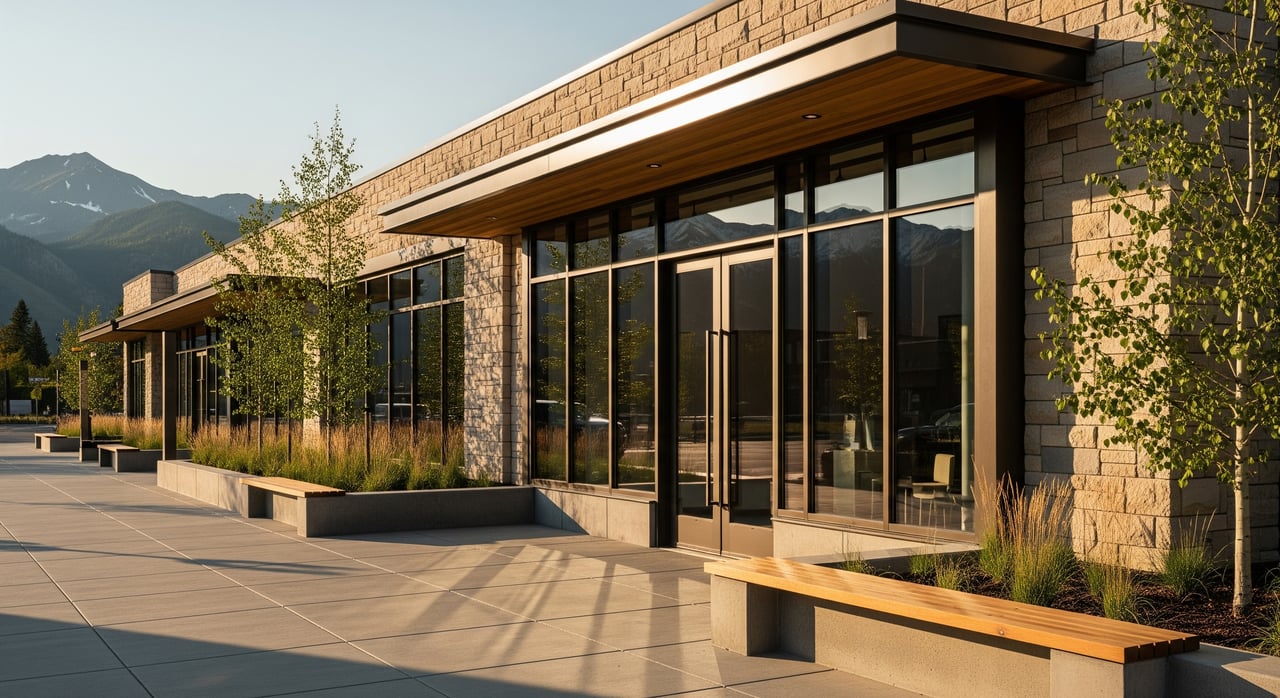
Willits Town Center is a planned mixed-use hub within Basalt, serving residents and visitors along Highway 82. Retail demand rises in peak summer and winter, then moderates in shoulder seasons. Concepts tied to tourism may see concentrated peak months, while essential services experience steadier year-round traffic.
Tenant mix and use fit
Town center retail often includes food and beverage, personal services, convenience, and lifestyle shops that serve locals and visitors. Confirm that your use aligns with permitted categories and any exclusivity clauses held by nearby tenants. This step protects your concept and avoids conflicts that can stall opening timelines.
Inventory and timing
Mountain towns have limited commercial land, which keeps vacancy low and turnover slower than in large cities. Expect fewer immediate choices and longer lead times. Start early, and verify who controls each parcel, including any master association or developer-held interests that affect negotiations.
Lease vs buy at a glance
- Leasing favors lower upfront cash, faster entry, and flexibility at the end of term.
- Buying favors long-term control, potential appreciation, and the ability to capture net operating income.
- Your decision hinges on capital, time horizon, risk tolerance, and how much control you need over use, build-out, and branding.
Leasing: benefits and watchouts
- Pros:
- Lower upfront cash needs, often limited to first month’s rent, deposit, and negotiated tenant improvements.
- Potential TI allowance or landlord-delivered build-out, which can reduce opening costs and time.
- Flexibility to exit at lease end or assign/sublet if the lease permits.
- Watchouts:
- NNN leases pass through taxes, insurance, and maintenance, which can vary year to year.
- Use, signage, hours, and assignment clauses can limit operational freedom.
- Long terms add stability but reduce flexibility if the market shifts.
Buying: benefits and watchouts
- Pros:
- Maximum control over use and design, within zoning and CC&Rs.
- Opportunity to capture appreciation and NOI over time.
- Ability to lease to others if your own concept evolves.
- Watchouts:
- Larger upfront capital for down payment, closing, and any deferred maintenance.
- Full responsibility for property taxes, insurance, capital reserves, and special assessments.
- Less flexibility to pivot quickly unless you can sell or re-lease the space.
Financial modeling basics
Key metrics to run
- Cap rate: NOI divided by purchase price to value acquisitions.
- Cash-on-cash return: annual pre-tax cash flow divided by equity invested to gauge leverage impact.
- DSCR: NOI divided by annual debt service, which lenders use to test loan strength.
- Break-even rent and sales ratios: helpful for operators to understand rent as a percent of gross sales.
- Payback period and IRR: useful for long-term hold analysis that includes income and appreciation.
Financing options to consider
- Leasing focuses on business capital, equipment, and TI financing. You may explore working capital programs.
- Buying may involve commercial loans from community or regional lenders familiar with mountain markets. Owner-occupiers often look at SBA 7(a) or 504 programs, which have specific occupancy and eligibility rules.
- Maintain conservative DSCR assumptions and stress test for seasonal variability.
Build-out and permitting in Basalt
Zoning and permitted uses
Review the Town of Basalt land use code and Willits-specific plans to confirm your retail category, floor-area allowances, and whether you need a conditional use or design review. Align your concept early to prevent redesigns.
Design, signage, and hours
The Town and the Willits master association may set design and signage standards, as well as expectations for hours and outdoor seating. These standards influence costs, timelines, and how your brand shows up on site. Budget design and sign packages accordingly.
Permits and inspections
Expect building and trade permits, fire department review, and a certificate of occupancy before opening. Food service concepts will also need health department permits and kitchen-specific inspections. Plan permit sequences with your contractor to avoid rework.
Parking, loading, and utilities
Confirm parking ratios for your use and whether shared parking is permitted. Clarify loading access and delivery windows. For kitchens, verify gas capacity, ventilation, and grease trap requirements. In mountain towns, utility upgrades can be costly, so test assumptions early.
Special districts and licenses
Check for metropolitan districts, special assessments, or tax increment financing areas attached to the parcel. If you plan to serve alcohol, review local licensing and state processes. Cannabis retail is tightly regulated and may face local limits.
Timeline planning
Permitting can move slower in small municipalities during peak seasons. Work backward from your ideal opening before summer or winter, and add contingency time for reviews, build-out sequencing, and inspections.
Due diligence checklists
Early discovery
- Define your business model: seasonal or year-round revenue, required square footage, and utility needs.
- Walk the market: talk to tenants, the Chamber, and property management. Observe foot traffic by daypart and season.
- Confirm master association governance, CC&Rs, and any developer-held rights.
Leasing checklist
- Lease type and pass-throughs: clarify gross, modified gross, or NNN and request sample CAM reconciliations.
- Term and options: length, renewals, and rent escalations tied to CPI or fixed steps.
- TI allowance and scope: who pulls permits, what is landlord work versus tenant work, and the sign-off process.
- Use and exclusivity: protect your core offerings and ensure alignment with neighboring tenants.
- Assignment and subletting: consent standards and any continuing guaranty obligations.
- Operating requirements: hours, center marketing participation, and any percentage rent clauses.
Buying checklist
- Title and survey: confirm access, easements, and title exceptions.
- Environmental: complete a Phase I ESA and follow up if needed.
- Physical inspections: roof, structure, MEP systems, ventilation, ADA, and pest.
- If purchasing leased property: review leases, rent roll, estoppels, CAM history, and historical vacancy.
- Taxes and assessments: review history and any pending liens.
- CC&Rs and association documents: confirm fees, rules, and obligations.
Operational checklist
- Permits and inspections: map the full sequence and expected durations.
- Vendor agreements: waste, laundry if relevant, HVAC service, snow removal and storage.
- Staffing plan: consider seasonal hiring and local labor dynamics.
- Insurance: align property and business coverage, and match lease requirements.
Exit strategies and flexibility
If you lease
- Options include walking at expiry, negotiating an extension, assigning or subletting if permitted, or selling the business with a lease assignment. Favorable assignment language can be valuable if you need to pivot.
If you buy
- Options include selling the asset, completing a 1031 exchange to defer tax on investment property, refinancing to extract equity, or repurposing space if zoning allows. Track market cap rates and loan terms to time exits.
Which path fits you?
- Choose leasing if you prioritize speed, lower upfront capital, and flexibility after an initial term. This can be smart for testing concepts sensitive to seasonality.
- Choose buying if you want control, plan a long hold, and value appreciation plus income potential. This can suit established operators or investors with a clear long-term strategy.
- In both cases, model seasonality, build a realistic timeline, and confirm governance and permitted uses at Willits before you commit.
When you are ready to evaluate specific spaces in Willits Town Center, local guidance matters. As long-time valley entrepreneurs and commercial practitioners, we help you compare scenarios, source on- and off-market options, and navigate build-out and approvals. Start a confidential conversation with Duncan Clauss Real Estate to align your real estate move with your business plan.
FAQs
What makes Willits different from big-city centers?
- Limited inventory, slower turnover, and seasonal demand patterns require earlier planning, conservative cash flow modeling, and flexible lease or exit terms.
How long are typical retail leases in Basalt?
- Many smaller concepts see 3 to 5 years with options, while destination retail may sign for 5 to 10 years or more, depending on build-out scale and landlord preferences.
How should I budget tenant improvements in Willits?
- Costs depend on delivered condition and use, with food service typically higher; negotiate a clear TI allowance and scope and include a 10 to 20 percent contingency.
Can I serve alcohol at a Willits location?
- Yes if you follow local and state licensing processes; review Basalt requirements and plan lead time since licensing can impact your opening schedule.
What inspections are required before opening?
- Expect building and trade inspections, fire department approval, and a certificate of occupancy; food concepts also need health department permits and equipment approvals.
Which financing paths fit owner-occupiers?
- Owner-occupiers often look at conventional commercial loans or SBA 7(a) and 504 options, subject to occupancy and eligibility rules and lender DSCR requirements.