If you are deciding between Old Snowmass and Snowmass Village for a mountain home, you are really choosing between two very different ways to live in the same broader corridor. One offers a quieter, land-first setting with room to breathe. The other puts you closer to lifts, shuttles, and a more connected resort rhythm. This guide will help you compare the feel, access, and property types in each area so you can focus on the setting that truly fits your lifestyle. Let’s dive in.
Old Snowmass vs Snowmass Village
The clearest way to think about this comparison is simple: Old Snowmass is a rural valley retreat, while Snowmass Village is a resort-base community. Both are part of the broader Snowmass area in Pitkin County, but they are shaped by very different planning frameworks and day-to-day patterns.
Pitkin County’s master plan for the Snowmass and Capitol Creek valleys emphasizes a rural and agricultural landscape, including open meadows, pastures, wildlife habitat, and development that remains subordinate to the land. Snowmass Village, on the other hand, is a home-rule municipality centered around Snowmass Ski Resort, with town services and infrastructure that support a year-round resort environment.
That distinction matters when you are buying a mountain home. In this market, your best fit often comes down to whether you want the landscape itself to be the main amenity, or whether you want the convenience of a ski town built around recreation and services.
Old Snowmass lifestyle
Old Snowmass is defined by a landscape-first identity. County planning documents describe the area as predominantly rural and agricultural, with land uses tied to livestock grazing, equestrian activity, and irrigated farming.
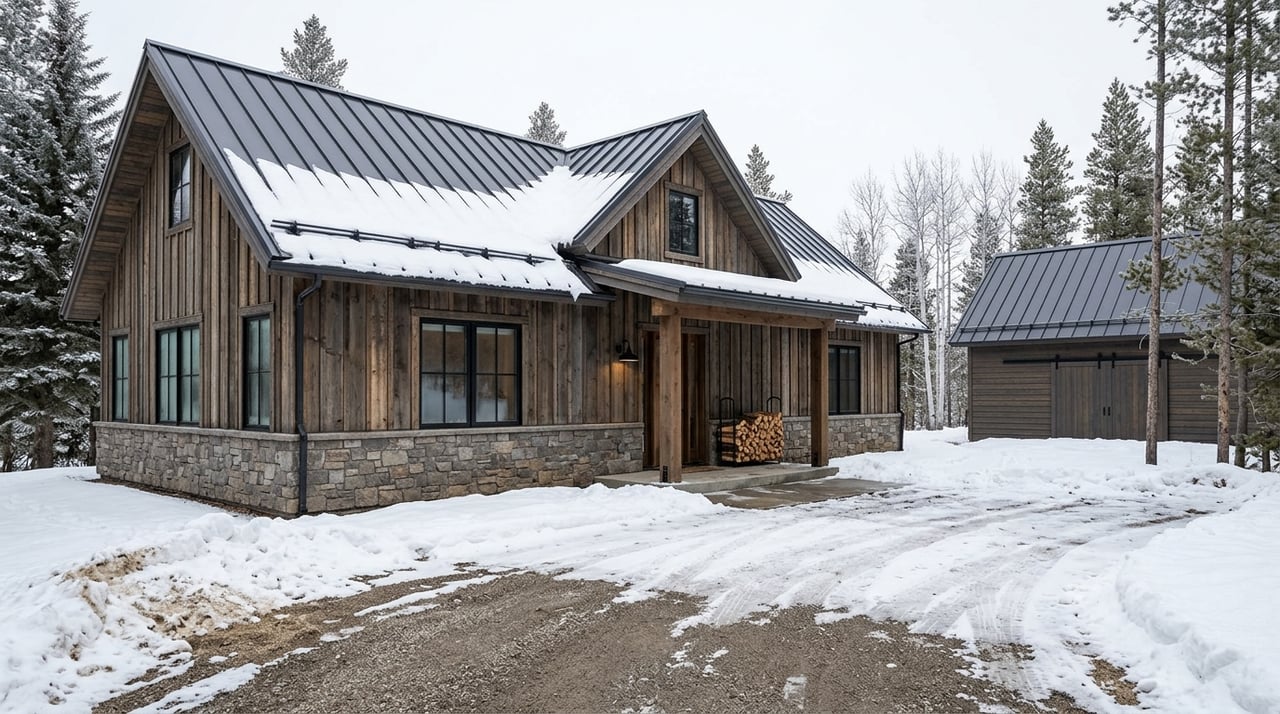
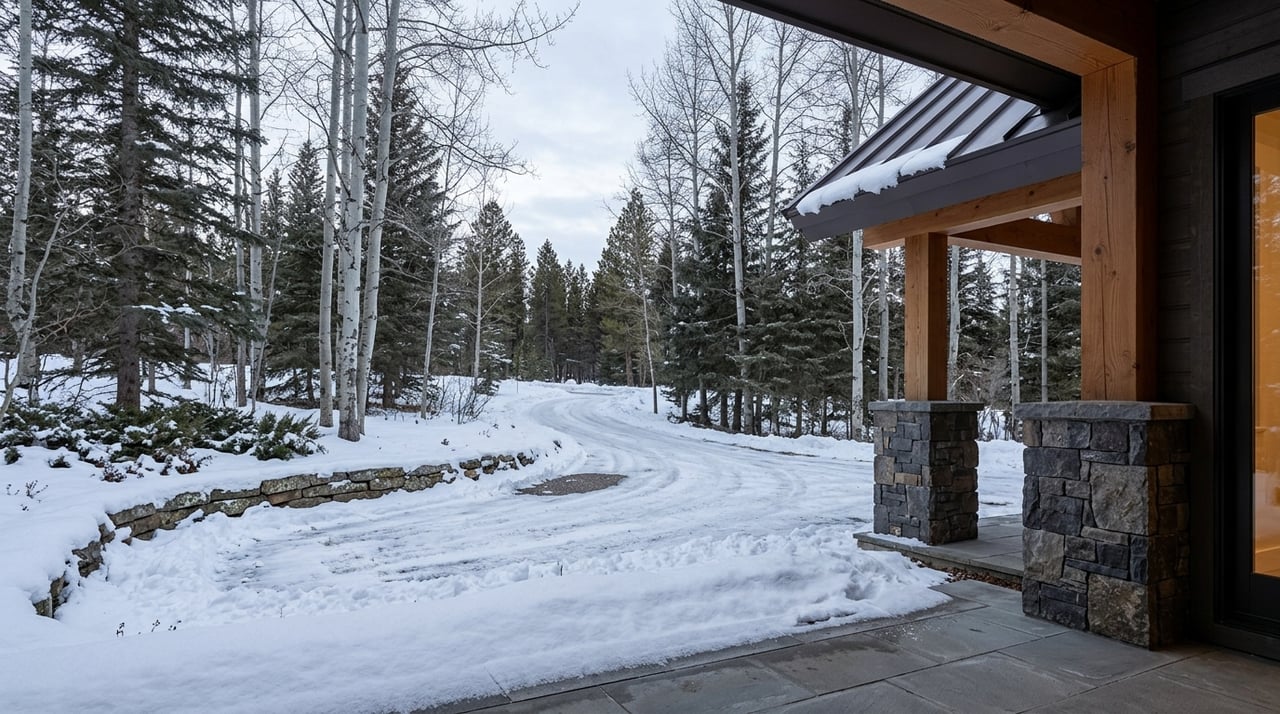
That planning approach shapes how the area feels. Homes are generally expected to fit the rural character of the valley, and the county specifically supports development that sits lightly on the land. If you are looking for privacy, open views, and a sense of separation from the resort core, Old Snowmass tends to align well with that goal.
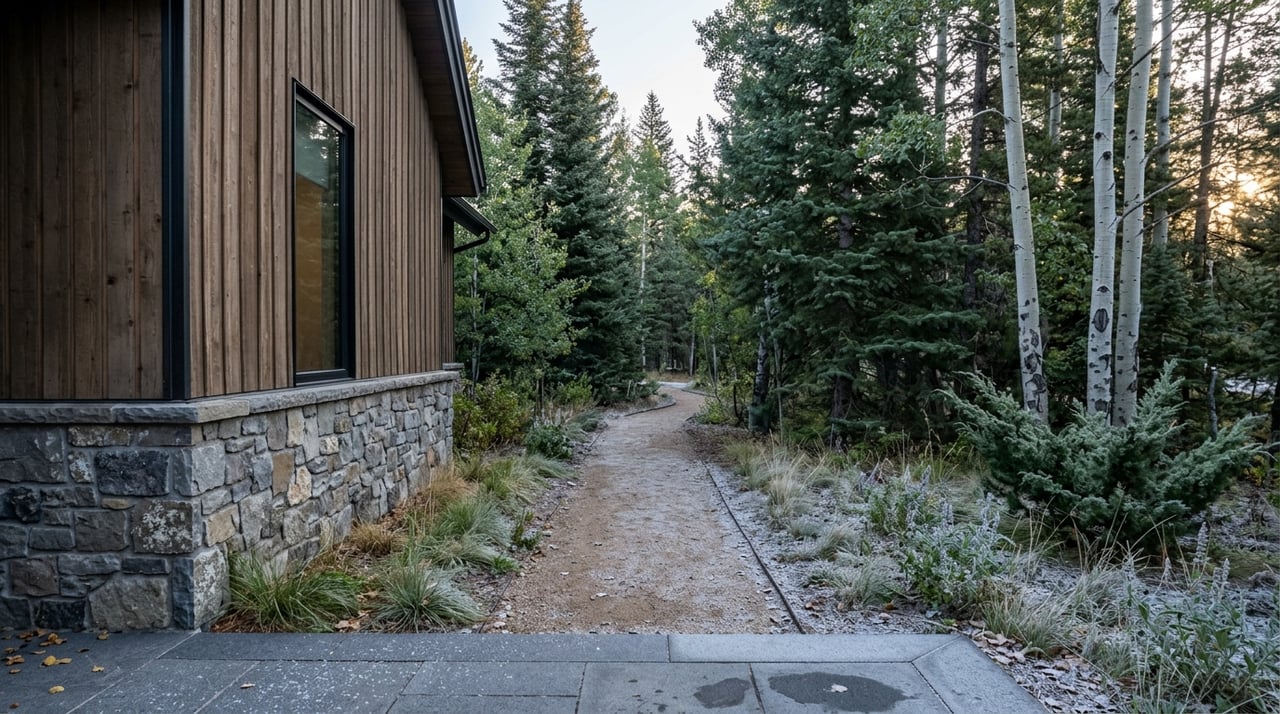
There is also a strong connection to open space in and around the area. County open-space properties nearby include horse pasture, agricultural lease areas, irrigated land, and river access, which reinforces the valley’s rural pattern rather than a built-up village atmosphere.
In practical terms, Old Snowmass often appeals to buyers who want their home to feel like a retreat first. The daily experience is less about walking to shops or catching a shuttle, and more about enjoying acreage, views, and a quieter pace.
Snowmass Village lifestyle
Snowmass Village offers a very different rhythm. The town provides civic and resort-oriented services that include trash and recycling, water and sanitation coordination, parking permits, and a free Village Shuttle.
The community also includes a satellite library and a recreation center, along with services designed for both residents and visitors. While Snowmass Village is still surrounded by open space and wildlife, it functions as a town with a more centralized pattern of daily life.
For many buyers, that means easier logistics. Dining, recreation, lodging, parking, and transportation are clustered into connected areas, which can make ownership feel more streamlined and convenient, especially if you use your mountain home as a seasonal base.
If you like the idea of stepping into a more active resort setting with built-in infrastructure, Snowmass Village is often the stronger match. It is a mountain town experience, but with the convenience that comes from a place designed around year-round use and access.
Ski access and outdoor access
Old Snowmass trails and wilderness
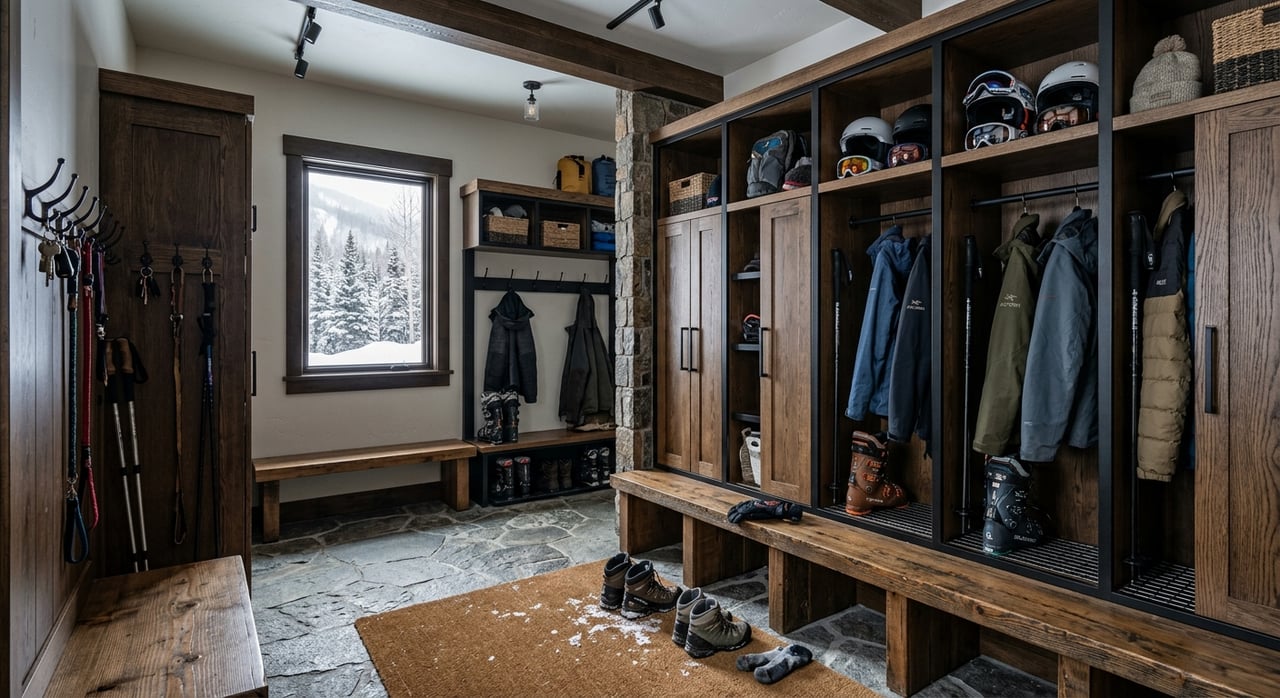
Old Snowmass is not built around ski-in, ski-out living. Its outdoor strength is different.
Pitkin County identifies the Snowmass Creek Trailhead as one of the most popular access points to the Maroon Bells-Snowmass Wilderness. The area also connects to the Basalt-Old Snowmass Trail, which is open year-round and groomed for Nordic skiing in winter, as well as Owl Creek Trail and the Lazy Glen connection to the Rio Grande Trail.
That makes Old Snowmass especially compelling if your version of mountain living centers on trailheads, river corridors, wilderness access, and Nordic skiing rather than immediate chairlift access. For some buyers, that difference is exactly the point.
Snowmass Village ski convenience
Snowmass Village is built around direct resort access. Aspen Snowmass reports that Snowmass offers more than 3,300 acres of skiing and riding, and a single lift ticket covers all four Aspen Snowmass mountains.
The resort also notes that 95% of Snowmass lodging is ski-in, ski-out. That stat says a lot about the built environment. Snowmass Village is designed to support a ski-centered lifestyle in a way that Old Snowmass simply is not.
Outdoor access continues beyond winter. Snowmass Village Parks and Recreation says the town has more than 34.5 miles of hiking, biking, and equestrian trails, along with 8 miles of paved and gravel commuter trails connecting neighborhoods, bus stops, recreation amenities, and economic hubs.
If you want to minimize friction between home and recreation, Snowmass Village has a clear advantage. The lifts, trails, shuttles, and base-area patterns are all part of the same system.
Property types and ownership patterns
Old Snowmass homes
Old Snowmass is best understood as a large-lot, single-family environment. Pitkin County’s master plan describes the area as predominantly large-lot rural agricultural land-use patterns and subdivisions with protected open space.
The same planning framework states that residential development should remain consistent with the rural character of the area. It also says the caucus plan does not support multi-family homes, condominiums, apartments, townhouses, or trailer homes.
For buyers, that usually points toward acreage, ranch properties, private single-family homes, and land-oriented estates. If you are searching for room, privacy, and a home that feels more rooted in the valley than in a resort core, Old Snowmass typically fits that profile.
Snowmass Village ownership options
Snowmass Village has a more mixed housing profile. The town’s Housing Department describes affordable long-term rental apartments for full-time employees and deed-restricted for-sale units for qualified employees as part of its broader housing strategy.
At the same time, official resort lodging pages show a strong presence of condo and slopeside properties within the village. Combined with the shuttle network, parking systems, and resort-centered layout, that creates a more amenity-forward ownership pattern.
For some buyers, this means a more lock-and-leave style of ownership. If you value convenience, services, and direct access to village life, Snowmass Village often lines up better with those priorities than Old Snowmass does.
Which area fits your mountain home goals?
The right answer depends less on which area is better and more on which area matches how you want to live.
Old Snowmass may fit best if you want:
- More privacy and separation from the resort core
- Acreage, ranchland, meadows, or a stronger land-first feel
- Equestrian or rural valley character
- Access to trailheads, wilderness, river corridors, and Nordic routes
- A private retreat that prioritizes space and views
Snowmass Village may fit best if you want:
- Immediate or near-immediate ski access
- A home base that functions like a ski village
- Shuttle convenience and a more connected layout
- Dining, recreation, and services nearby
- Condo, townhome, or other resort-style ownership options
In short, Old Snowmass suits buyers seeking a rural estate experience, while Snowmass Village suits buyers seeking a resort-base experience. That is the simplest and most accurate way to frame the decision.
How to think about the decision
When buyers compare these two areas, the biggest mistake is focusing only on distance. The better question is how you want your home to work for you once you arrive.
If you picture mornings with open valley views, a quieter road network, and a home that feels tucked into the landscape, Old Snowmass may be the right call. If you picture easy lift access, a free shuttle, and a more connected resort setup, Snowmass Village may feel more natural.
This is where local insight matters. Two properties can sit within the same broader Snowmass corridor and still offer very different ownership experiences, especially when access, land use, and daily convenience are part of the equation.
If you want help narrowing the choice based on how you actually live, Duncan Clauss Real Estate offers personalized guidance grounded in local knowledge across Snowmass Village, Pitkin County, and the wider Roaring Fork Valley.
FAQs
Is Old Snowmass or Snowmass Village better for ski access?
- Snowmass Village is typically better for ski access because it is built around Snowmass Ski Resort, and official resort information says much of its lodging is ski-in, ski-out or slopeside.
Is Old Snowmass more private than Snowmass Village?
- Old Snowmass generally offers a more private setting because county planning emphasizes large-lot rural land patterns, open space, and development that fits the valley’s agricultural character.
What kinds of homes are common in Old Snowmass?
- Old Snowmass is most commonly associated with large-lot single-family homes, ranch properties, and land-oriented estates rather than condos or other dense multi-unit housing.
What kinds of properties are common in Snowmass Village?
- Snowmass Village includes a more mixed housing profile, with a strong presence of condo and slopeside ownership options shaped by the resort-based layout and town services.
Is Old Snowmass good for hiking and trails?
- Yes. Old Snowmass has strong access to trailheads and year-round trail systems, including the Snowmass Creek Trailhead, Basalt-Old Snowmass Trail, Owl Creek Trail, and connections toward the Rio Grande Trail.
Is Snowmass Village only for winter use?
- No. Snowmass Village also has a substantial summer trail network, with more than 34.5 miles of hiking, biking, and equestrian trails plus commuter trails connecting neighborhoods and amenities.