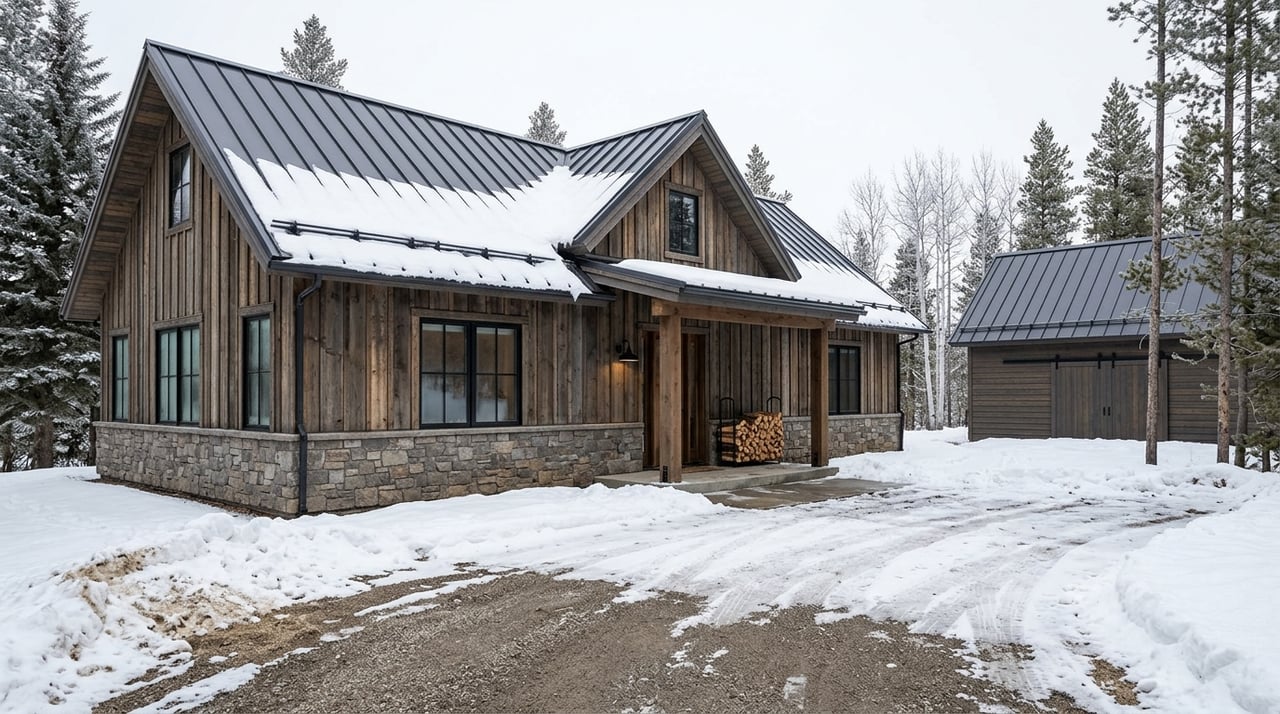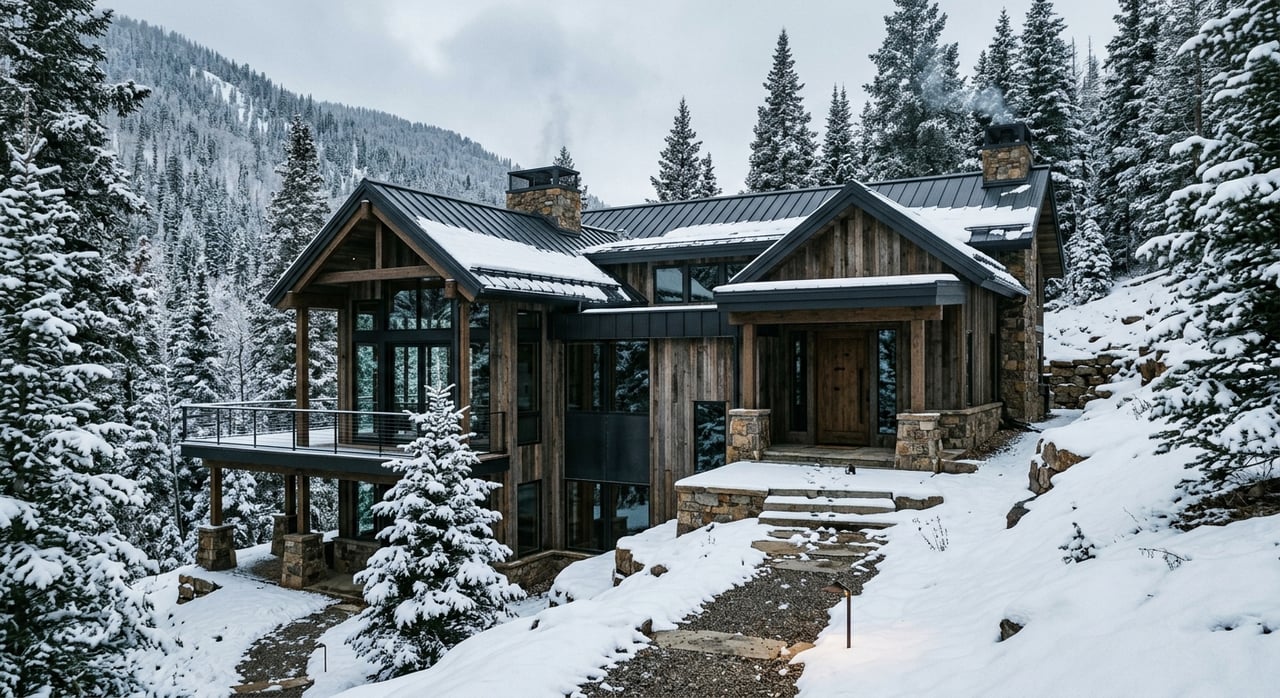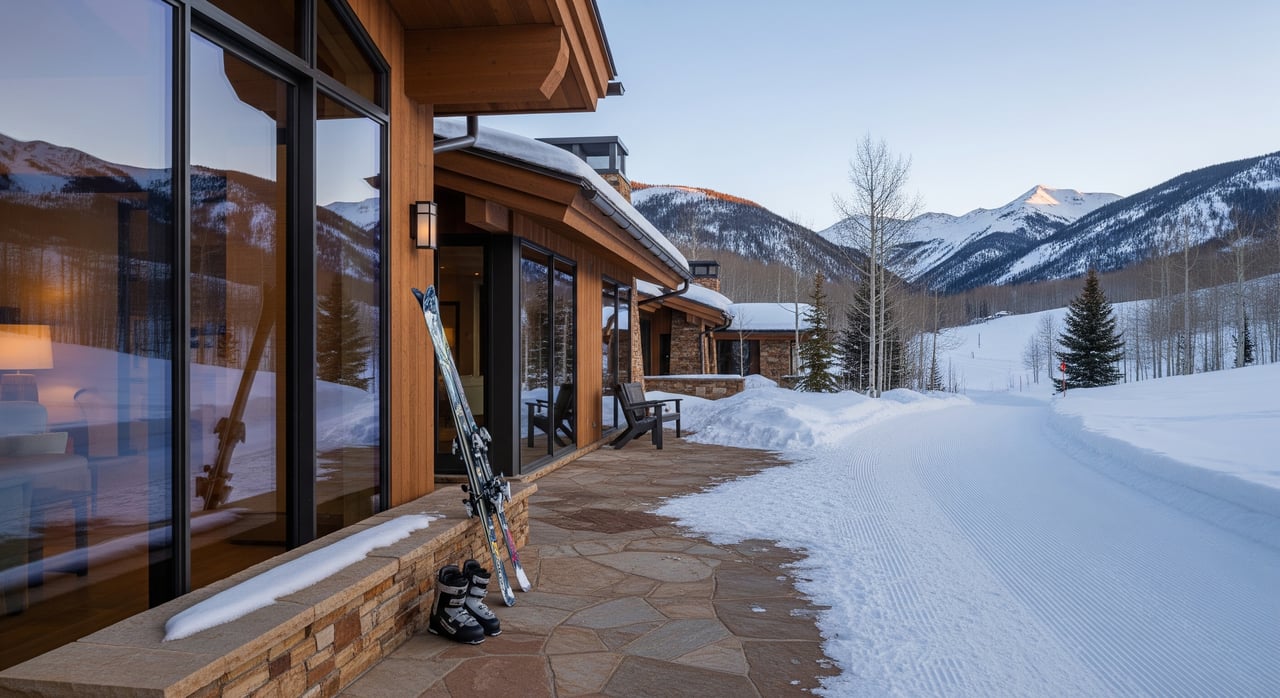
Are you picturing that perfect morning where you click into your skis at the door and slide onto the mountain? In Snowmass Village, that dream is real for some properties, but the details matter. “Ski‑in/ski‑out” is a spectrum here, and understanding the differences can save you time, money, and frustration. In this guide, you’ll learn how ski access actually works in Snowmass, what to verify during due diligence, and how access impacts value and resale. Let’s dive in.
What ski‑in/ski‑out means here
“Ski‑in/ski‑out” is a marketing descriptor, not a single legal term. In Snowmass Village, it generally means you can begin or end a downhill run without needing a vehicle. The exact experience varies widely based on micro‑location, trail networks, lift proximity, and HOA services.
Because Snowmass includes several base areas and neighborhoods at different elevations, two homes that both claim ski‑in/ski‑out can feel very different. One might sit beside a groomed run. Another might require a short walk to a connector trail or rely on an HOA shuttle to reach a lift. Your goal is to match expectations with the property’s real, on‑the‑ground access.
Three levels of access in Snowmass
Doorstep access
This is the strictest interpretation. You step out, click in, and slide onto a groomed run or a maintained connector covered by easement or resort operations. You can also ski back without removing your skis. This level usually commands the highest premium and delivers the most predictable experience.
Short‑walk access
You walk roughly 30–300 yards over generally flat ground to a groomed trail or lift terminal. Many listings in Snowmass use ski‑in/ski‑out to describe this setup. It can be convenient, but the daily walk with gear can feel longer than it looks on a map, especially in variable weather.
Shuttle‑assisted access
An HOA or private service provides a quick shuttle or valet to a lift or base area. This can be very comfortable and efficient, but it is not literal ski‑in/ski‑out. It is best viewed as “convenient mountain access.”
How access actually works
Trail adjacency and connectors
- Properties that border a groomed piste or recorded connector path offer the most reliable ski‑out.
- Some access relies on low‑angle service roads or named connector trails that ski well in good snow but may be limited in low‑snow periods.
- Run pitch and difficulty matter. If the only way to ski out is via a steep or ungroomed section, it may not match your comfort level.
Lift proximity and base areas
- If you can finish a run and step into a lift queue without a vehicle, many buyers consider that ski‑in/ski‑out.
- Distance and grade between the door and the lift terminal are key. A short, flat glide is very different from an uphill walk in boots.
- Some neighborhoods sit very near lift terminals. Others rely on a short walk or a shuttle to reach a base area.
Building and HOA features
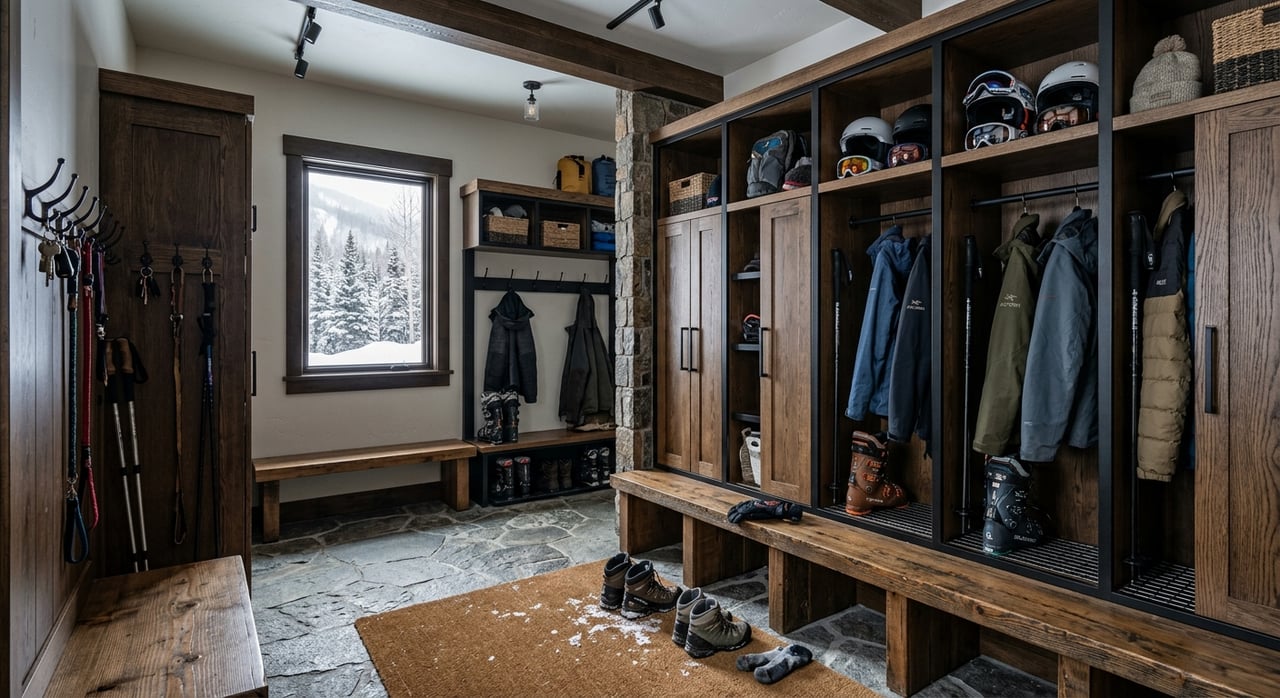
- Look for practical amenities: ski lockers, heated boot rooms, and gear valets.
- Some HOAs maintain private connectors or coordinate with resort operations for access. These services can define how “ski‑in/ski‑out” the home feels.
- Storage near the exit point and logical circulation from locker to snow can make or break day‑to‑day convenience.
Seasonal and operational realities
Lift schedules and grooming
Lift operations can change by date and day of week. Early and late season schedules may be limited, and some connectors depend on natural snow rather than snowmaking. A property that skis beautifully in peak winter may not offer the same access during shoulder periods.
Snow, sun, and microclimates
Snow depth, wind, and sun exposure vary by elevation and aspect. Certain links near a home can thin out in warm spells or get scoured by wind. Expect access to improve once a stable snowpack builds and to taper near season start and end.
Safety and closures
Regional avalanche forecasts and on‑mountain mitigation can trigger temporary closures. While village base areas see fewer disruptions, uphill chalets and mountain lots may hear or be affected by mitigation activity. Know the safety protocols in your immediate area.
Winter roads and parking
Even if you can ski right to your door, you still need reliable road access for guests, services, and deliveries. Confirm snow removal responsibilities, parking availability, and any local winter parking rules that affect daily life.
Summer vs winter expectations
Many winter conveniences do not carry into summer. Runs close. Gondolas that run in summer follow different schedules. Do not assume winter access translates to year‑round ease.
Due diligence checklist for buyers
Use this list to confirm a property’s true level of ski access and protect your investment:
- Obtain a property‑specific map showing the home in relation to named runs, connector trails, and lift terminals.
- Request copies of the deed, recorded plat, and any easements that guarantee skier or pedestrian access to the mountain.
- Review HOA Covenants, Conditions & Restrictions for access rules, maintenance of private connectors, shuttle services, guest parking, and any rental restrictions.
- Verify recent lift and grooming schedules for the past two seasons to gauge reliability during early and late season.
- Ask the seller for current photos or video of the actual ski path in peak and shoulder seasons.
- Confirm who maintains connectors and access paths in winter, including snow removal responsibilities for roads and walkways.
- If the property sits near steeper terrain, check regional avalanche information for historical activity in the immediate area.
- Consult your insurer and lender about underwriting considerations for mountain properties and proximity to ski operations.
Value, rentals, and resale
What buyers pay for
Homes with reliable doorstep access typically command a premium compared to similar homes that require a walk or shuttle. That premium depends on market conditions, the ease and reliability of the access, views, and building amenities.
Income and seasonality
In a resort market like Snowmass Village, strong ski access is a top draw for many second‑home and investment buyers. The buyer pool can skew toward ski enthusiasts, and rental demand often peaks in winter, which can influence occupancy patterns and revenue timing.
Costs and constraints
Expect higher operating costs where HOAs manage shuttles, private connectors, or extensive amenities. Insurance requirements, potential special assessments for access maintenance, and limitations on shoulder‑season operations can affect total cost of ownership.
Financing and insurance
Lenders and insurers may ask for specific disclosures tied to mountain access or proximity to on‑mountain activity. Underwriting can be more conservative for unique properties. Plan ahead to avoid surprises during financing and coverage binding.
How to evaluate a listing fast
Use this quick process to separate marketing language from lived experience:
- Identify the access type. Is it doorstep, short walk, or shuttle assisted?
- Measure the real path. Distance, grade, and whether you must remove skis matter.
- Confirm the legal right. Look for recorded easements and HOA rules that preserve access.
- Check seasonality. Review recent lift calendars and grooming notes for early and late season.
- Validate with visuals. Request winter photos or a short video of the exact route.
- Weigh the tradeoffs. Compare premium pricing against reliability, convenience, and operating costs.
Work with a local advisor
Ski access in Snowmass Village lives in the details. The right property delivers that effortless glide to the mountain. The wrong fit adds daily friction that no view can fix. You deserve clear, practical guidance based on lived local knowledge and careful documentation.
If you are considering a Snowmass Village purchase or want to position your property for sale, let’s talk about the specific access story and how it impacts value. Reach out to Duncan Clauss Real Estate to request a personalized consultation or home valuation.
FAQs
What does “ski‑in/ski‑out” mean in Snowmass Village?
- It signals you can start or end a downhill ski without a vehicle, but it ranges from true doorstep access to a short walk or shuttle depending on the property’s location and amenities.
How can I verify a listing’s ski access claim?
- Ask for recorded easements, property and trail maps, HOA documents on access and maintenance, recent lift and grooming schedules, and photos or video of the actual route in peak and shoulder seasons.
Are ski‑in/ski‑out homes always skiable all season?
- No. Early and late season operations, natural snow on connectors, and weather can limit access even when a property is perfect mid‑winter.
What HOA rules can affect my ski access?
- CCRs can set rules for private connectors, shuttle services, guest parking, rental policies, and cost sharing for maintenance or improvements that preserve access.
Does ski‑in/ski‑out guarantee better rental income?
- It can improve demand in winter, but income depends on access reliability, home quality, amenities, pricing, and local rental rules.
What should I budget for long‑term ownership near the slopes?
- Plan for HOA fees tied to shuttles or connector upkeep, robust insurance, possible special assessments, and seasonal maintenance of roads, paths, and gear facilities.